

























In the high-stakes world of modern logistics, the distribution center acts as the heart of the supply chain, pumping a continuous flow of goods to diverse destinations. However, as the volume of individual orders continues to surge, many facilities have found that their manual sorting processes have become a significant bottleneck. When a human must physically read a label, decide on a destination, and move a package, the margin for error is high and the throughput is inherently limited by physical fatigue. Enter automated sorting systems a suite of advanced technologies designed to handle thousands of parcels per hour with near-perfect accuracy. These systems are not merely a convenience; they are the essential infrastructure that allows global commerce to function at the speed of the digital age.
The implementation of sorting automation represents a shift toward a more industrialized and scientific approach to logistics. By replacing the variability of human labor with the consistency of mechanical precision, companies can achieve a level of predictability that is crucial for meeting tight delivery windows. Whether it is a small e-commerce parcel or a large carton destined for a retail shelf, automated sorting systems use a combination of scanners, scales, and high-speed diverters to process items in a matter of seconds. This acceleration is what allows major retailers to offer “next-day” or even “same-day” delivery, setting a new standard for customer service in the logistics industry.
The Diverse Landscape of Parcel Sorting Technology
To appreciate the impact of automated sorting systems, one must understand the various types of technologies that make them possible. Not all warehouses have the same needs, and as such, the market for logistics automation systems has produced a wide range of specialized solutions. For high-volume environments, cross-belt and tilt-tray sorters are often the gold standard. These systems use individual carriages that move in a continuous loop, allowing for the gentle handling of fragile items while maintaining massive throughput. For facilities with more varied product sizes, shoe sorters—which use sliding “shoes” to divert packages at precise angles—offer a versatile and reliable alternative. The choice of technology depends on factors such as parcel weight, shape, and the number of final destinations required.
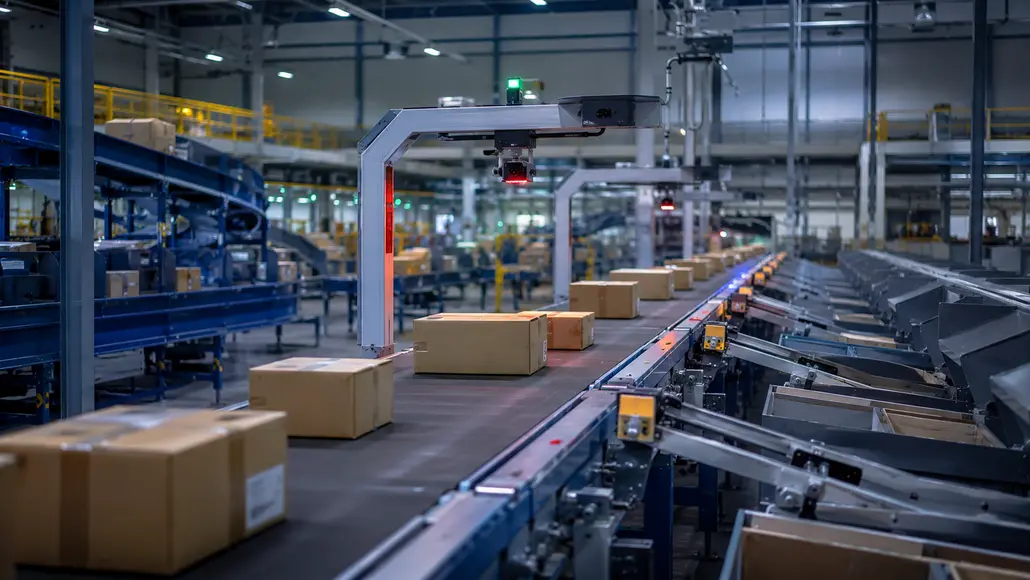
The intelligence of these systems is powered by advanced parcel sorting technology, specifically high-speed barcode and RFID scanners. As an item moves along a conveyor, it passes under a “tunnel” of scanners that can read labels from any angle. In a fraction of a second, the system identifies the package, weighs it, and determines its dimensions. This data is then cross-referenced with the facility’s warehouse management system (WMS) to determine the correct sort destination. This real-time decision-making is a testament to the power of modern logistics software, which must manage a complex choreography of movements to ensure that thousands of items reach their respective bins or trucks without colliding.
Enhancing Warehouse Efficiency and Operational Accuracy
The primary driver for adopting automated sorting systems is the dramatic increase in warehouse efficiency. In a manual sorting environment, increasing capacity typically requires hiring more staff and expanding the physical footprint of the sorting area. Automation, however, allows for a much higher density of operations. By using vertical space and multi-tiered sorting levels, a facility can process more goods in the same amount of square footage. This “doing more with less” approach is particularly valuable in urban logistics hubs where real estate prices are at a premium. Furthermore, the reduction in manual handling significantly lowers the risk of workplace injuries, as heavy lifting and repetitive motions are transferred to the machines.
Accuracy is another critical benefit of automated sorting systems. A manual sorting error—where a package is sent to the wrong city or the wrong customer—is an expensive mistake that involves return shipping costs and a negative customer experience. Automated systems typically achieve accuracy rates of over 99.9%, far exceeding what is possible with even the most diligent human workforce. By ensuring that the right package gets on the right truck the first time, companies can minimize waste and maximize their profit margins. This precision is an integral part of logistics automation systems, providing the foundation for a reliable and trustworthy distribution network.
Scalability and the Future of Fulfillment Centers
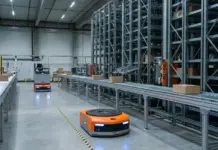
As the logistics industry looks to the future, the concept of scalability will become even more important. Modern automated sorting systems are increasingly modular, allowing companies to add new sort lanes or expand their capacity without having to tear down their entire existing infrastructure. This “Lego-like” approach to automation ensures that the system can grow alongside the business, protecting the initial investment. We are also seeing the rise of “AMR-based” sorting, where small autonomous robots act as individual sort units, moving items to their destinations on a large open floor. This provides an even higher level of flexibility, as the robot fleet can be adjusted in real-time based on the day’s volume.
The integration of these systems into a fully connected distribution center is the ultimate goal. When automated sorting is synced with robotic picking systems and real-time visibility platforms, the result is a seamless flow of goods that requires minimal human intervention. This vision of the “smart” distribution center is rapidly becoming a reality, driven by the need for speed and the constant evolution of parcel sorting technology. Organizations that invest in these systems today are not just solving a current bottleneck; they are future-proofing their operations for a world where consumer expectations will only continue to rise.
In conclusion, automated sorting systems are a vital component of the modern supply chain, providing the speed and accuracy necessary to thrive in a global marketplace. By embracing sorting automation, companies can transform their distribution centers into high-speed hubs of efficiency that can meet the demands of any season. The transition from manual to automated sorting is a significant journey, but the rewards—in terms of lower costs, higher throughput, and better customer satisfaction—are undeniable. As technology continues to advance, the gap between the “automated leaders” and those who rely on legacy processes will only widen. For those looking to accelerate their distribution, the path is clear: the future is automated.