

![Busy port scene with stacked shipping containers, large cranes, and cargo ships in a bay, beside a coastal highway and rail line on the right.] }} (Note: The input requires a valid JSON with an array of strings in altTexts. Here is a corrected version.)Let's provide proper JSON.](https://www.supplychaininforms.com/wp-content/uploads/2026/09/trade-and-logistics-infrastructure-218x150.webp "Turkey Looks to Upgrade Trade and Logistics Infrastructure")


















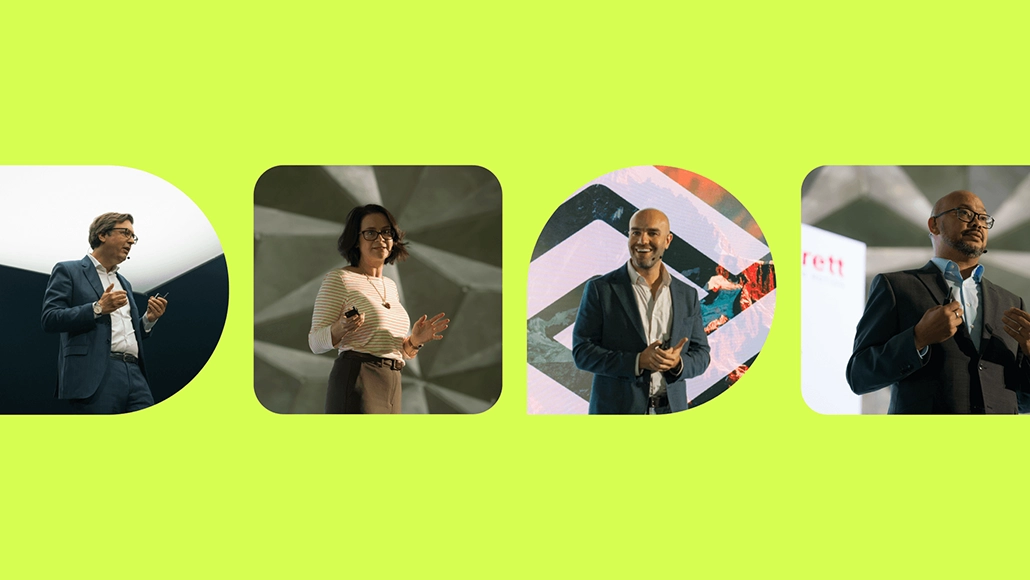
Four leading manufacturers took to the stage at the flagship EMEA event of o9 in Amsterdam on June 4, 2026, to share where they currently are on their transformation journeys. Marelli, RHI Magnesita, and Garrett Motion, as well as Teleflex, all spoke from different places on the transformation curve but reached remarkably comparable conclusions – that integrated planning is indeed a cultural rather than technical change, that the work never truly ends, and that the organizations that do well are those that develop the internal capacity so as to keep enhancing long even after the implementation group has left.
Marelli – More than just a supply chain transformation
The Cost of Complexity without Visibility
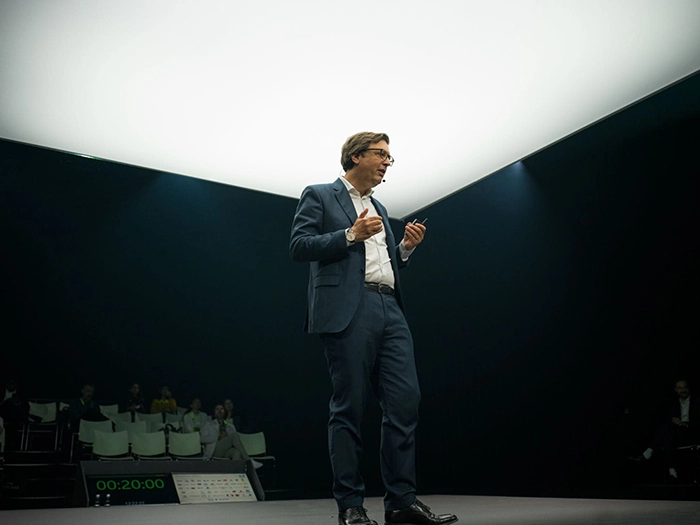
The VP and Global Head of Manufacturing Operations and SIOP, Marelli, Carlo Chiarle, kicked off with an image of complexity, setting the tone for the entire track.
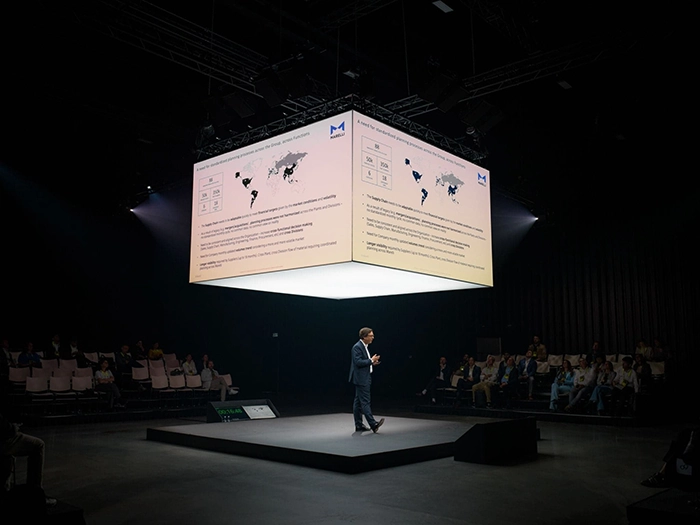
It is well to be noted that Marelli makes components for interiors, electronics, propulsion systems, automotive lighting, and green technology as well as ride dynamics, delivered from nearly 90 plants across 21 countries via 6 business units, thereby managing 150,000 components along with 50,000 finished goods. The business was initially operating on 18 separate ERP systems having no integrated planning view, created through the merger of Calsonic Kansei and Magneti Marelli, two organizations having solid and distinct manufacturing identities.
The effect on operations was severe. An interruption at the source can cascade via 13 customer plants and more than 13 finished vehicle lines, with just a single wafer fab processed through 3 Marelli plants and sent out to 7 more across 5 countries. The fact is that one change in customer demand can have an impact on 6 Marelli plants and more than 500 suppliers. Not manageable, not acceptable to the customer.
A behavioral one, added to the visibility problem. Business units were over-ordering parts to safeguard their own production lines, cannibalizing supply from others, and together negatively impacting Marelli’s capacity to deliver for any customer, regardless of a common view of supply. We saw business units vying for the same limited supply. Others ordered too many parts to protect their own production lines, accidentally depriving other companies of the materials they required. The outcome was cannibalization of supply, which eventually hurt the ability of Marelli to deliver throughout the organization.”
Why SIOP – From Local Optimization to Shared Responsibility
The key insight in the change was that the issue was never a technology issue. It was an issue of coordination. Each function, be it manufacturing, supply chain transformation, finance, or purchasing, had its own metrics, a unique version of truth. They were each doing their job, but no one noticed how the decisions they were making were impacting the others. The business was effective globally and optimized domestically.
The case for Sales, Inventory, and Operations Planning – SIOP was therefore designed to provide every function with a single shared view of demand and supply as well as operational capacity so that choices made in one area might be understood and responded to throughout all others. SIOP is not a supply chain or manufacturing tool, it is an enterprise-wide platform. Data from one data lake enables everyone in the organization to work from the same source of the truth.
That shift in structuring changed what implementation meant. Making processes that had worked autonomously for years mutually accountable was as technical a task as anything. We had to engage stakeholders across the business from the very start not as end-users of a completed system but as contributors to setting out how SIOP ought to function for them.
The Value – Response Coordination Under Pressure
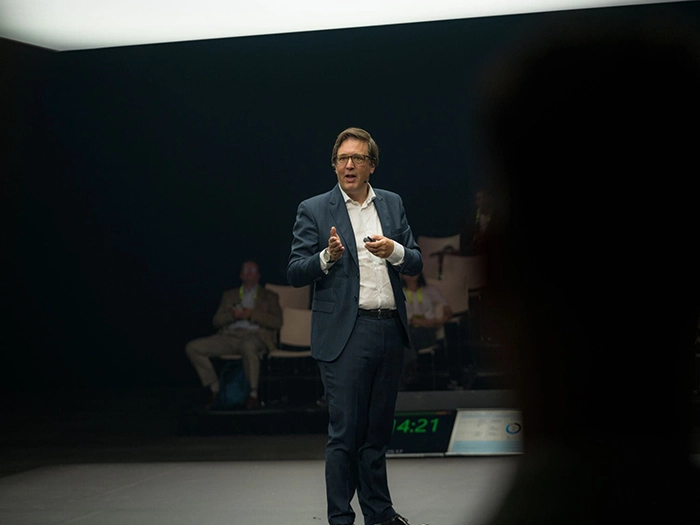
That value of the foundation is most clear under pressure. As an example, during the semiconductor shortage, a single SIOP platform enabled Marelli to follow constraints from its source to its effect on the customer and to make synchronized decisions instead of having each function react independently. The behavioral change was equally critical – with everyone working off identical numbers, the incentive to hoard supply goes away, and planning meetings turn into shared problem-solving rather than rival versions of reality.
SIOP+ Greater Visibility Upstream
And with the internal structure in place, Marelli is now working on SIOP+ to expand visibility to suppliers by means of EDI integration and joint planning on predictions, inventory, capacities, and orders. Right from responding to interruptions to foreseeing them.
RHI Magnesita – Creating a unified global supply chain
A Network That Required More Than Good Processes
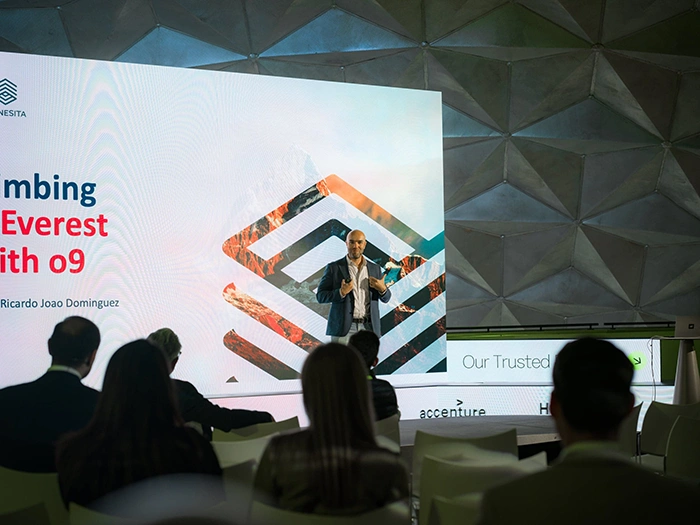
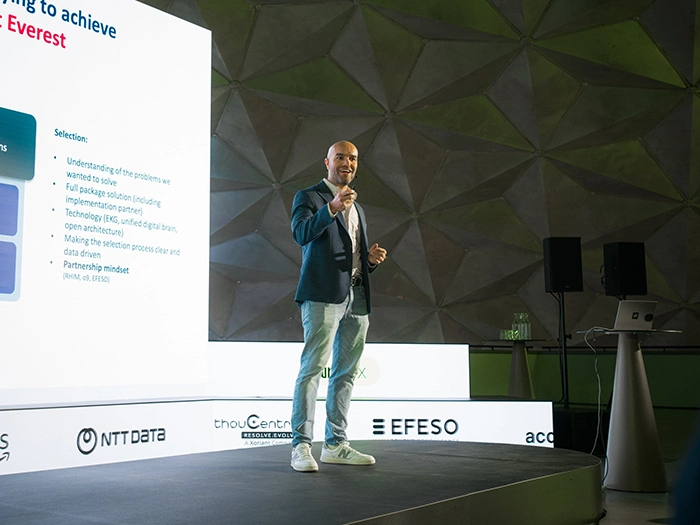
The Head of Innovation and Product Governance for Supply Chain & Procurement at RHI Magnesita, Ricardo Dominguez, has experienced the insights of someone who is in the thick of a significant planning change, with a clear sense of where the process ends and truthful lessons about what it takes to get there.
The company was formed by the 2017 merger of RHI and Magnesita and had developed solid global processes, but they were Excel-based and not intended for the pace and volatile nature of the post-COVID world. The task was to combine demand planning, supply planning, and order prospecting throughout 130,000 SKUs in an extremely vertically integrated network through mines and production sites as well as customer-managed consignment stock in global markets. That network’s level of complexity, Ricardo said, isn’t just scale but also inventory. Spreadsheets simply do not have the bandwidth for the network sync needed to manage restocking across consignment locations, coordinate supply all through long-lead-time raw materials, and react to shifts in demand while not creating excess stock.
A Partnership for Joint Problem Solving
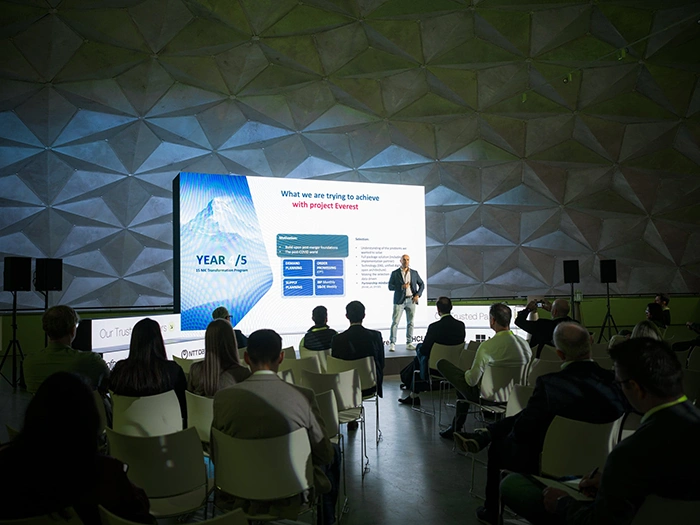
Instead of going to the market with a list of requirements, the team told them what they did not have. We laid out the problems that we faced and how the seller would solve them. That really got the suppliers interested in us and asking questions. o9, in partnership with execution firm EFESO, won on the value of both its technology as well as its understanding of the problem. It was created to eliminate uncertainty and maintain clear ownership, the three-way structure, and it did. We had an executive member who was dedicated to meetings, and you couldn’t see who was working for which company.
Statistical Prediction, Human Assessment, and the Next Thing
Supply Planning, Demand Planning, and Order Promising have gone live throughout North America and Europe, with full global network reach targeted by the end of 2027. Demand planning was at aggregated levels, today it is at the SKU level with machine learning and statistically based forecasting. This outperforms human planners in terms of high-volume, predetermined segments, freeing up planners to prioritize where their judgment really moves the arrow. It’s about giving salespeople greater visibility into where their contributions will have the most commercial effect, too. This approach is what will move the needle of these 100 products.
The advice from Ricardo to organizations earlier on the journey was simple – prioritize master data as a first-order objective, build internal capacity from day one, put in order demand planning prior to supply planning because “the supply plan requires good input in the planning,” and challenge scope creep aggressively.
Garrett Motion – Transitioning from Disparate Systems & Processes to an Unifying End-to-End Planning Platform
A Portfolio in Transition and a Supply Chain That Needed to Catch Up
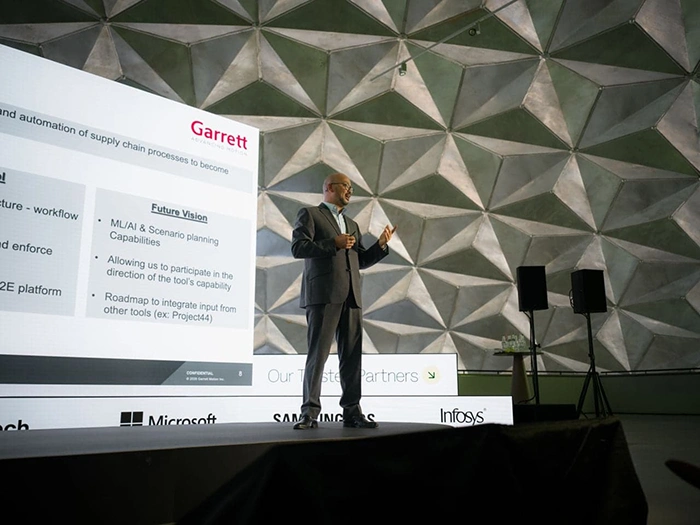
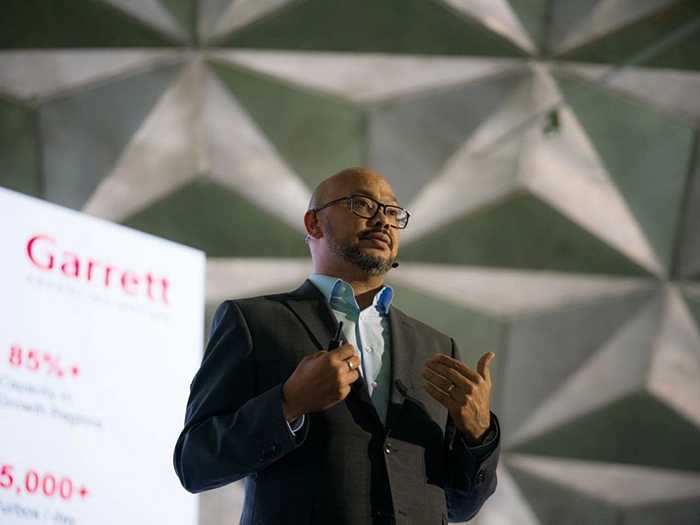
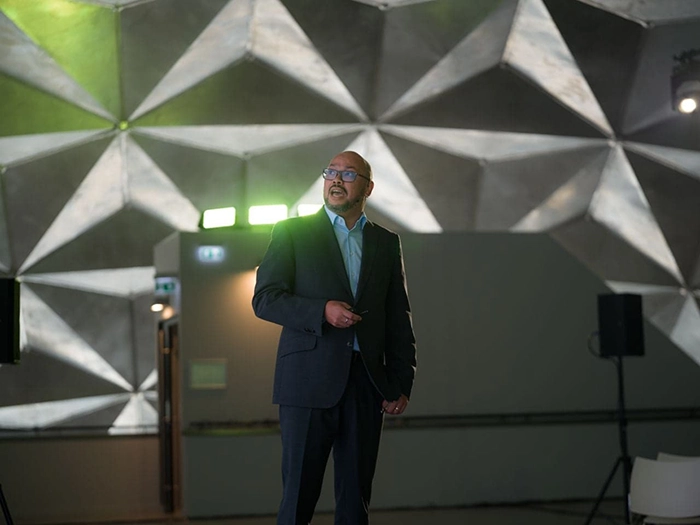
Senior Director of Global Supply Chain Excellence, Strategy, and IBP, Ettiene Devries, at Garrett Motion, took it from the perspective of an organization that had established its strategic foundation and sought to get an additional layer of value from it.
It is worth noting that Garrett Motion is a $3.6 billion engineering company having 30 manufacturing plants and 1,350 patents in the pipeline. Originally a turbocharging technology when it comes to internal combustion engines, the company is now vigorously expanding its portfolio into electrification as well as zero-emission technologies, and this strategic pivot needed a supply chain transformation architecture that could scale with it. The pre-transformation picture was all too familiar – fragmented planning systems on top of spreadsheets and no holistic approach to the supply chain and a growing portfolio which 13 plants had to serve in the absence of the tools to work together effectively.
Picking a Partner for the Long Haul
Choosing vendors was much more than just features. Garrett gave each potential vendor its data, had scenario discussions, and asked how each would go on to handle design ambiguities. Ultimately, the decision to go with o9 was based on cultural fit, adaptability, and a willingness to co-shape the roadmap for the tool. “We also got to assist o9 participate in the path of how the capability of the tools would evolve. For a business with very specific needs automotive detailed scheduling is not the same as scheduling in general that the collaborative dynamic indeed is a prerequisite, not a differentiator.
An Ambitious Vision. A Strong Foundation. Much More to Come
The demand planning journey of Garrett has moved from a passive stance of following OEM schedules to one of driving demand through statistical projections and collaborative demand planning, as well as objective arbitration as far as OEM EDI signals are concerned.
They now have full visibility into supply master planning and S&OP on supplier and production capacity limitations months out. The system creates distribution, production, and material plans automatically, thereby allowing proactive decision-making to pre-purchase inventory or schedule overtime in order to avoid delays. It can also be used to simulate new product introductions, phase-outs, and prototype production trials.
They have added short-term shipment alerts to the Clear-to-Build – CTB process in their control tower and are using multi-echelon inventory optimization to model inventory reductions ahead of execution. “The tools that we put in place gave us the visibility to be able to respond much more quickly and give direction to leadership on that.”
The next frontier is Tier 2 supplier visibility, generative AI for decision support, and wider coverage of zero-emission technologies such as power generation for data centers.
The advice of Etienne for organizations starting out is to do the fundamental process work before using the technology, treat the blueprint as a living document because “you only know what you don’t know,” and evaluate success against the business outcomes instead of execution milestones.
Teleflex – Improving Forecast Accuracy by 25% While Eliminating Manual Planning and Excess Inventory
Planning in a Regulated Industry Is Complex
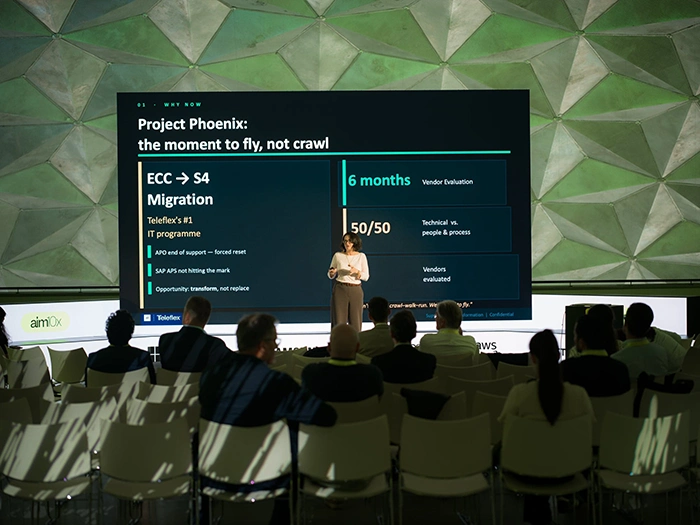
One of the most operationally unique perspectives of the day came from Senior Director of Supply Chain Command Centre and Analytics at Teleflex, Rose Prendergast. Teleflex is a medical device company, and as such, they have a supply chain where regulatory versioning drives every planning choice. One product change an update to a label and a change to a component – is rolled out in various countries in a time frame from two weeks to even two years. Running separate demand and supply planning systems without any integrated S&OP process and managing those changes manually had created high inventory, recurrent back orders, and limited capacity to see why.
The trigger for change was the imminent end-of-life of SAP APO. Teleflex decided to treat this as a full overhaul, not just a system replacement, and evaluated 7 vendors not on a fixed requirements list but on their capacity to comprehend the problem and suggest how to solve it.
E2E Visibility – Why was the tiebreaker
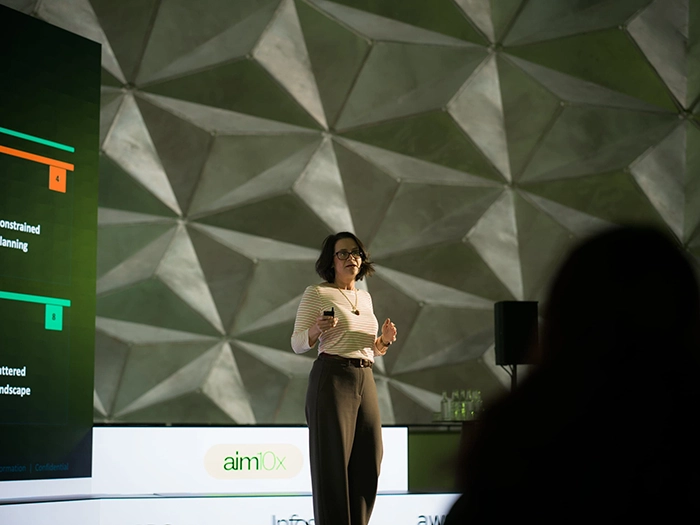
o9 won, as it was the only vendor that could show real end-to-end visibility – not just forecast-to-revenue effect, but full order tracking, so that a raw material limitation or a modification to regulations could be traced instantaneously to its downstream customer impact. “They were the only ones who could give us that, so we are able to see at any time if we are limited, which individual client, which order, do we have an issue with – so that we are already contacting the customer before it is too late.”
o9’s previous expertise in the medical device sector also brought with it multiple ways to handle regulatory phase-in and phase-out situations, as opposed to a rigid, preconfigured approach crucial for a company managing version changes across dozens of markets at once.
Culture Evolution – A Clean Go-Live and What Comes Next
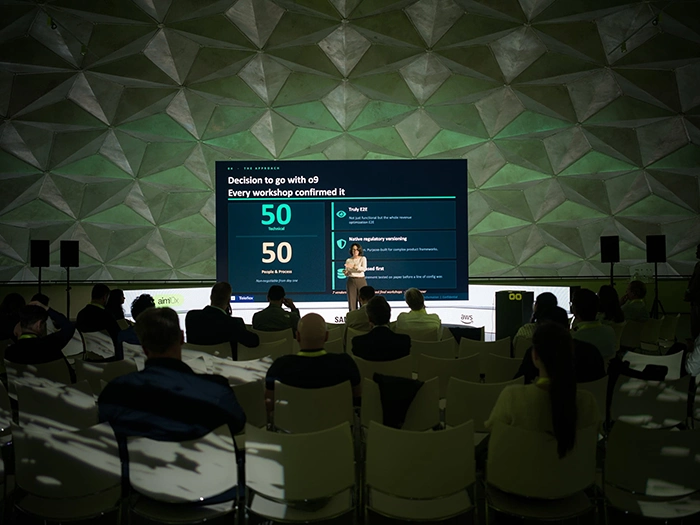
This was done in conjunction with Project Phoenix, simultaneous go-lives, and implementation. To deal with that intricacy, Teleflex put a small core group in the middle of the program, supported by an internal o9 architect that Rose called “the best thing that we ever did within our whole project.” Volume data was placed ahead of each sprint, design choices were made before the build started, and end users were trained well ahead of go-live. There were four weeks of mock cutovers before the real thing. The outcome was a go-live weekend with no resolution.
The results were tangible, a 25% increase in forecast precision, fewer back orders, and less inventory. But the bigger change was a change from reactive firefighting to proactive planning and Rose was clear this is still a work in progress. “The platform now requests planners to look a year forward and act on what they see, whereas in the past, planners were judged for their ability to respond and fix. Planners have historically been firefighters. They need not be heroes now. We are committed to being forward-looking partners.”
The Through Line – What These Organizations Have in Standard
Three themes ran through all the sessions all day.
- Integrated visibility is a plan of the company, not a function. Marelli has learned the hard way that even the best planning tools will be defeated by separated organizations. Garrett, Teleflex, and RHI Magnesita were all created from scratch for cross-functional ownership, and all cited executive commitment as critical to its success.
- Data quality is a continuous discipline. It was brought up by everyone, and nobody considered it settled until the transformation started. The winners were those who invested in data preparation as an ongoing workstream, not as a pre-project checkbox.
- To put something into effect is not to change it. Go-live is an achievement, not a destination. “This is a never-ending story,” Carlo said. Integration will never be finished. We will always find the next significant step to be taken.” Those organizations that derive long-term value are those that view strategic planning capability as an ongoing build.