






























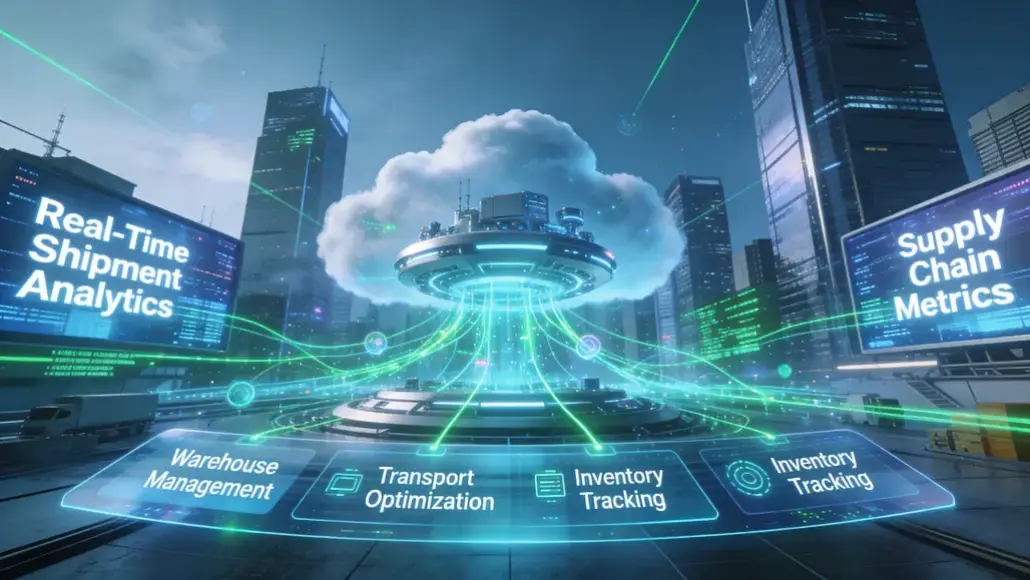
In the hyper-connected world of modern commerce, information is just as important as the physical goods being moved. For decades, the logistics industry was hampered by fragmented data and siloed systems that made it difficult to gain a clear picture of the global supply chain. However, the emergence of cloud based logistics platforms has fundamentally changed this landscape. By moving core operations from transportation management to warehouse execution to the cloud, organizations can now build smart networks that are as responsive as they are efficient. This transition toward digital logistics is not just about a change in software; it is a fundamental shift toward a more collaborative, transparent, and data-driven approach to moving the world’s products.
The primary advantage of cloud logistics is the ability to achieve a “single source of truth.” In a traditional supply chain, different partners manufacturers, carriers, warehouse operators, and retailers often use disparate systems that do not communicate well with each other. This leads to delays, errors, and a general lack of visibility. Cloud-based platforms, however, act as a centralized hub where all stakeholders can access and update the same data in real-time. This level of connectivity ensures that everyone is working from the same set of facts, allowing for better coordination and faster decision-making. In a world where a single delay at a port can have a global ripple effect, the ability to share information instantly is the bedrock of a resilient and connected supply chain.
Scalability and Flexibility in a Volatile Marketplace
One of the most compelling reasons for adopting cloud based logistics platforms is the inherent scalability they offer. The logistics industry is notoriously cyclical, with massive spikes in demand during holiday seasons followed by quieter periods. Traditional on-premise software requires companies to invest in expensive hardware and infrastructure that may sit idle for much of the year. In contrast, SaaS logistics models allow businesses to scale their computing power and software capabilities up or down based on their current needs. This “pay-as-you-grow” approach significantly reduces capital expenditures and ensures that even small and medium-sized enterprises can access the same advanced tools as the industry giants.
This flexibility extends to the ability to integrate new technologies quickly. Cloud-based platforms are designed to be “open,” using APIs (Application Programming Interfaces) to connect with a wide range of third-party applications. This means that a company can easily add a new AI-driven route optimization tool, a blockchain-based tracking system, or a suite of IoT sensors to their existing network without having to overhaul their entire IT infrastructure. This “plug-and-play” capability allows for a more modular approach to supply chain platforms, ensuring that the organization can always stay at the cutting edge of logistics innovation. The cloud acts as the operating system for the smart network, providing the foundation for a truly agile business model.
Enhancing Global Visibility and Collaborative Decision-Making
The global nature of modern trade means that a supply chain is only as strong as its weakest link. Cloud based logistics platforms bridge the geographical gaps between partners, providing real-time visibility into the movement of goods across borders. Whether it is a container on an ocean vessel or a small parcel on a delivery van, the status of every asset is visible through a single digital interface. This transparency is crucial for managing the complexities of international logistics, where customs clearances, weather disruptions, and port congestion are constant challenges. By having a clear view of the entire network, logistics managers can proactively identify potential issues and reroute shipments before they become major problems.
Furthermore, these platforms foster a more collaborative approach to decision-making. In a connected supply chain, partners can share more than just tracking numbers; they can share insights and forecasts. For example, a retailer can share real-time sales data with their suppliers through a shared cloud platform, allowing the supplier to adjust their production schedules based on actual demand rather than just historical estimates. This “synchronized supply chain” reduces the need for large safety stocks and minimizes the risk of stockouts or overstocking. The cloud transforms logistics from a series of handoffs into a collaborative partnership where every participant is working toward a common goal of efficiency and customer satisfaction.
Security, Resilience and the Future of Digital Logistics
As more of the supply chain moves to the cloud, the issue of cybersecurity becomes paramount. Leading cloud based logistics platforms invest heavily in state-of-the-art security measures, including multi-factor authentication, end-to-end encryption, and continuous monitoring. These measures often provide a higher level of protection than what an individual company could achieve with an on-premise system. Furthermore, cloud platforms offer superior resilience through built-in redundancy and disaster recovery capabilities. If one data center goes down, the system can automatically switch to another, ensuring that the supply chain remains “always-on.” This reliability is essential for maintaining trust in a world where digital disruptions can be just as damaging as physical ones.
Looking ahead, the evolution of cloud based logistics platforms will be driven by the deeper integration of artificial intelligence and machine learning. We are moving toward “autonomous” smart networks, where the platform itself can identify patterns, predict disruptions, and execute corrective actions without human intervention. The cloud will not just be a place to store data; it will be an intelligent engine that actively manages the flow of goods around the world. As we continue to refine these systems, the distinction between “logistics” and “technology” will continue to fade, leading to a more efficient, transparent, and sustainable global economy. The cloud is the sky in which the future of logistics will be written, and for those who embrace it, the possibilities are limitless.
In conclusion, cloud-based logistics platforms are the essential infrastructure for the next generation of supply chain management. By providing a platform for connectivity, scalability, and collaboration, they are helping businesses overcome the challenges of a fragmented and volatile marketplace. The transition to the cloud is a strategic journey that requires a commitment to digital transformation and a willingness to embrace new ways of working. However, the rewards in terms of greater agility, lower costs, and enhanced customer satisfaction make it a journey well worth taking. As the industry moves forward, the companies that thrive will be those that view the cloud not just as a tool, but as the foundation of their smart network. The era of digital logistics is here, and it is powered by the cloud.