























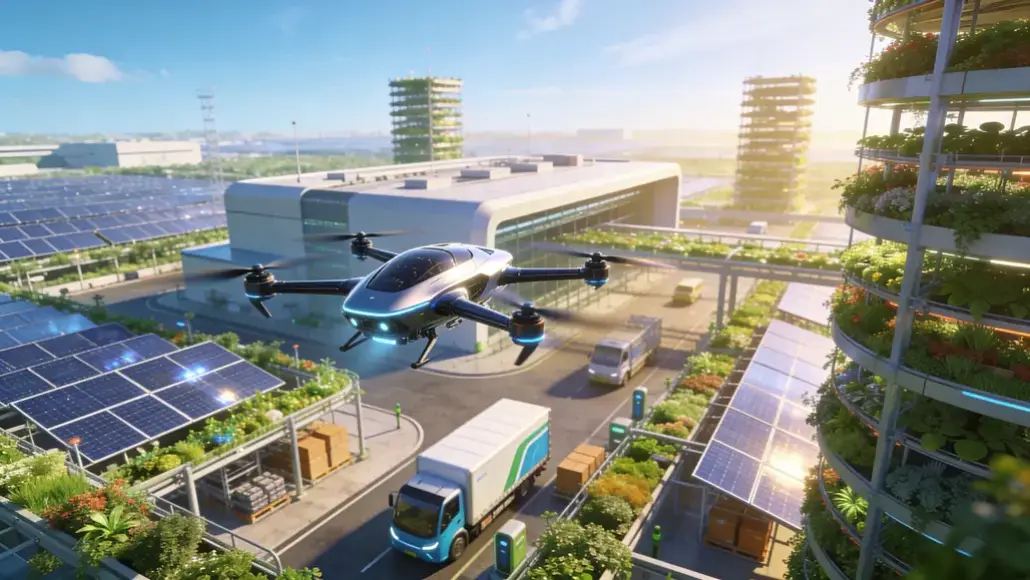
In the face of a global climate crisis, every major industry is being forced to reckon with its environmental footprint. The logistics sector, traditionally one of the largest emitters of greenhouse gases, is no exception. However, a powerful trend is emerging that proves economic growth and environmental stewardship are not mutually exclusive: sustainable logistics automation. By integrating advanced technology into the core of supply chain operations, businesses are finding that they can reduce their carbon impact while also driving down costs and improving service levels. This transition toward green logistics is more than just a corporate social responsibility initiative; it is a fundamental restructuring of how goods are moved and stored in a world that can no longer afford the “business as usual” approach.
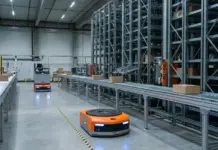
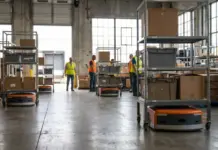
The intersection of automation and sustainability is most visible in the drive for energy efficient automation. In a traditional warehouse, energy consumption is often massive, with high lighting, heating, and cooling costs required to support a large human workforce. Automated systems, however, can operate in “lights-out” environments, significantly reducing the energy needed for illumination and temperature control. Furthermore, modern robotic systems are designed with regenerative braking and energy-efficient motors that consume a fraction of the power used by older industrial equipment. These marginal gains, when applied across thousands of facilities worldwide, contribute to a substantial carbon reduction logistics strategy that benefits both the planet and the corporate bottom line.
Eco-Friendly Warehouse Design and Infrastructure
The foundation of sustainable logistics automation starts with the physical infrastructure itself. We are seeing the rise of “eco warehouses,” which are designed from the ground up to minimize environmental impact. These facilities often incorporate solar panels on their expansive rooftops to generate their own clean energy, which is then used to power the automated sorting and picking systems within. Additionally, smart building management systems use AI to optimize the warehouse environment, adjusting lighting and climate control based on real-time occupancy and external weather conditions. This holistic approach ensures that every watt of electricity is used as effectively as possible, moving the industry closer to the goal of carbon-neutral operations.
Beyond energy production, sustainable warehouses are also focusing on material circularity. Automation plays a key role here by optimizing the use of packaging materials. Advanced automated packing machines can measure the dimensions of a product in real-time and create a custom-fit cardboard box that uses the absolute minimum amount of material. This not only reduces the consumption of paper and plastic but also ensures that no “air” is being shipped, maximizing the number of packages that can fit on a single truck. This cascading effect of efficiency is a prime example of how sustainable logistics automation creates a ripple of positive environmental impacts throughout the entire supply chain.
Optimizing Transport Flows and the Green Last Mile
While the warehouse is a major focus, the greatest potential for carbon reduction lies in the movement of goods between facilities. Sustainable logistics automation is revolutionizing transportation through advanced route optimization algorithms. By analyzing millions of data points related to traffic, weather, and delivery windows, AI-driven systems can ensure that every delivery vehicle follows the most fuel-efficient path possible. This reduces “empty miles” the distance a truck travels without a load—which has long been a major source of waste in the logistics industry. The integration of electric and autonomous vehicles into these optimized networks further accelerates the transition toward a sustainable supply chain.
The “last mile” of delivery is another area where automation is making a significant environmental difference. Traditional delivery vans are often inefficient and contribute to urban congestion and pollution. Sustainable logistics automation addresses this through the use of small, electric autonomous delivery robots and drones. These localized solutions are far more energy-efficient than a multi-ton van and can navigate urban environments without contributing to traffic tailpipes. Furthermore, the use of automated parcel lockers at centralized locations reduces the need for multiple delivery attempts, further lowering the carbon footprint of each package. By rethinking the final leg of the journey, companies are proving that convenience and sustainability can go hand-in-hand.
Data Transparency and the Future of Green Logistics
As we look toward the future, the role of data transparency will be critical in driving sustainable logistics automation. Consumers are increasingly demanding to know the carbon footprint of the products they purchase. In response, leading logistics providers are using automated tracking systems to provide real-time environmental impact reports for every shipment. This level of transparency holds companies accountable and allows for more informed decision-making across the sustainable supply chain. By visualizing the environmental cost of different logistics choices, businesses and consumers can work together to prioritize the greenest options.
In conclusion, the marriage of automation and sustainability is the most promising path forward for the global logistics industry. Sustainable logistics automation is not a distant dream; it is a suite of technologies and practices that are already being deployed by the world’s most innovative companies. From energy-efficient warehouses to carbon-neutral transport networks, the tools for a greener future are at our fingertips. The transition requires a shift in mindset from seeing sustainability as a cost to seeing it as an opportunity for innovation and efficiency. As we continue to refine these systems, the logistics industry will move from being part of the problem to being a central part of the solution to the climate crisis. The future of logistics is not just automated; it is green.