




















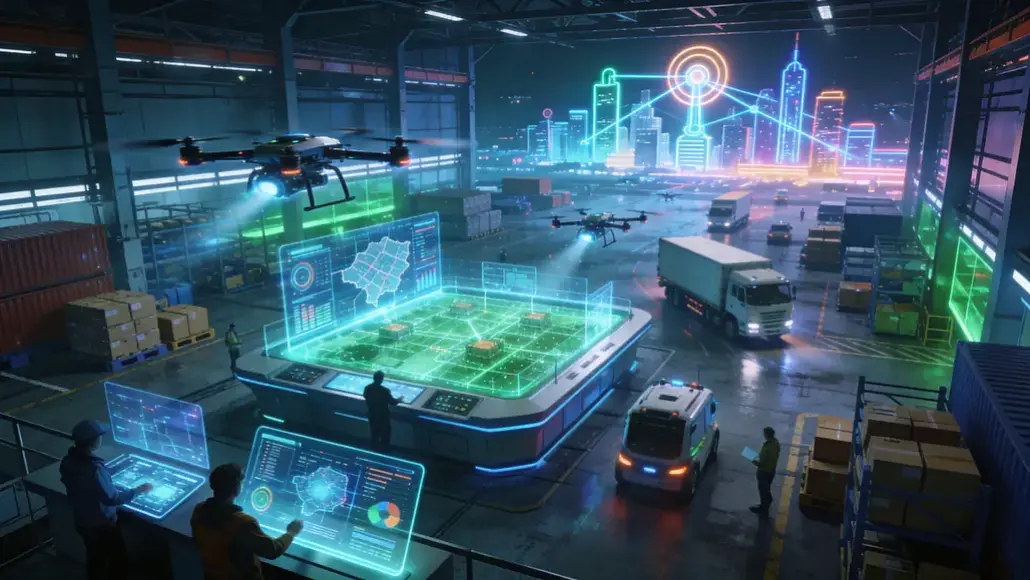
In the traditional model of international trade, the “blind spot” was an accepted part of the process. Once a shipment left a factory or a warehouse, it often entered a black hole of information where its status was only updated at major checkpoints like ports or distribution centers. This lack of transparency created a fragile environment where a single delay could trigger a cascade of problems across the entire network. However, the rise of real-time supply chain visibility has fundamentally changed this dynamic. Today, the ability to see and track every asset in motion is no longer a luxury it is a strategic imperative. By leveraging a combination of IoT logistics, cloud computing, and advanced data platforms, modern organizations are building a connected supply chain that is as transparent as it is efficient.
The essence of real-time supply chain visibility lies in the continuous flow of information. It is the ability to answer the question “Where is my shipment?” with precision, not just in terms of geographic coordinates, but also in terms of condition and context. Is the temperature in the reefer container holding steady? Has the pallet been subjected to excessive shock or vibration? By having access to this data in real-time, logistics managers can shift from a reactive mindset to a proactive one. Instead of finding out a shipment is damaged when it arrives at its destination, they can receive an immediate alert and take corrective action while the goods are still in transit. this level of control is what defines the next generation of logistics excellence.
The Foundation of IoT Logistics and Sensor Connectivity
The technological backbone of this visibility is the Internet of Things (IoT). IoT logistics involves the deployment of various sensors and tracking devices across the supply chain, from the individual item level to the shipping container level. These devices use a range of communication technologies including GPS, cellular, Bluetooth, and satellite to transmit data to a centralized platform. This connectivity ensures that the supply chain remains “awake” and communicating at all times. For example, a high-value pharmaceutical shipment can be monitored for light exposure, humidity, and temperature throughout its journey across multiple continents. If a threshold is breached, an automated system can trigger a rerouting or alert a technician to inspect the cargo, potentially saving millions of dollars in spoiled product.
Real time tracking is not just about the hardware; it is about the integration of that hardware with the software that manages the business. The most effective visibility solutions are those that connect IoT data with Warehouse Management Systems (WMS) and Transportation Management Systems (TMS). When these systems talk to each other, the “visibility” becomes actionable. If a truck carrying raw materials is delayed by a storm, the factory’s production schedule can be automatically adjusted to minimize downtime. This seamless data connectivity ensures that every part of the organization is working from the same “single source of truth,” reducing the friction that often exists between different departments and external partners.
Breaking Down Silos for a Truly Connected Supply Chain
One of the greatest hurdles to achieving comprehensive real-time supply chain visibility is the presence of data silos. In many organizations, information is trapped within specific teams or proprietary systems that do not communicate with one another. A freight forwarder might have excellent visibility into the ocean leg of a journey, but that information might not be shared with the inland carrier or the final retailer in a timely manner. To solve this, the industry is moving toward “control tower” models centralized digital hubs that aggregate data from all stakeholders in the network. This holistic view allows for better synchronization of activities and enables a more collaborative approach to logistics transparency.
The benefits of breaking down these silos extend far beyond operational efficiency. In an era where corporate social responsibility is a key driver of consumer behavior, logistics transparency is a powerful tool for building brand trust. Today’s consumers want to know that the products they buy are sourced ethically and transported sustainably. Real-time visibility allows companies to prove their claims with hard data. They can show the exact path a product took, the carbon footprint of its journey, and the conditions under which it was handled. This level of openness not only satisfies regulatory requirements but also creates a competitive advantage in a crowded marketplace where authenticity is highly valued.
Future-Proofing the Supply Chain Through Predictive Insights
Looking ahead, the evolution of real-time supply chain visibility will be characterized by the move from “descriptive” data to “predictive” and “prescriptive” insights. Simply knowing where a shipment is currently located is only the first step. The next phase involves using AI and machine learning to predict where that shipment will be in the future and what challenges it might face. For instance, an intelligent visibility platform could analyze historical weather patterns and current satellite data to predict that a specific shipping lane will likely be impacted by a typhoon in three days. The system could then prescribe a new route today, avoiding the delay entirely.
Furthermore, as global trade becomes increasingly complex, the role of blockchain and other distributed ledger technologies will grow. These technologies can provide an immutable record of every transaction and movement in the supply chain, further enhancing the security and reliability of visibility data. When combined with real-time IoT sensors, this creates a “digital twin” of the entire supply chain that is constantly updated and verified. This level of sophistication allows organizations to future-proof their operations against the unexpected, ensuring that they can remain resilient and responsive in the face of any challenge.
In conclusion, real-time supply chain visibility is the key that unlocks the full potential of modern logistics. By providing a clear and continuous view of the flow of goods, it enables companies to operate with greater speed, precision, and confidence. The journey toward full visibility requires a commitment to investing in IoT logistics and a willingness to embrace a culture of transparency and collaboration. However, for those who make the transition, the rewards are clear: a more agile supply chain, a stronger brand reputation, and a superior customer experience. As the world becomes more connected, the ability to see the “big picture” in real-time will be the defining characteristic of the leaders in the logistics industry. The days of the information black hole are over; the era of the connected and transparent supply chain has arrived.