


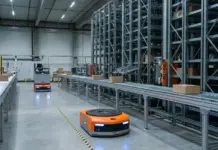
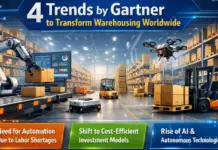

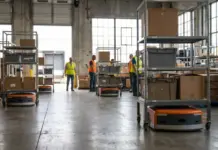




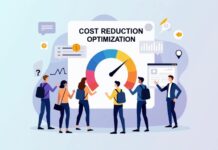









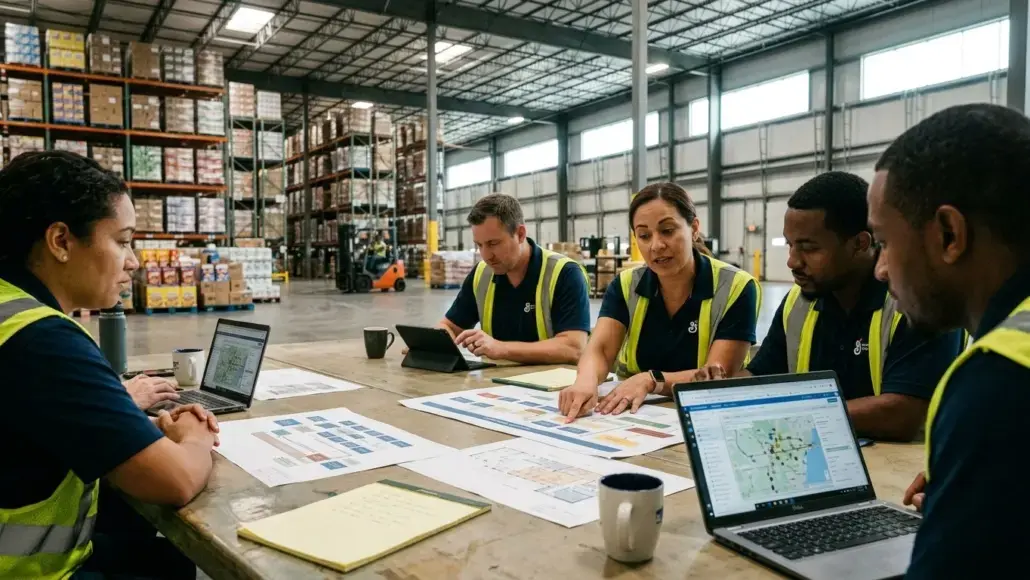
The upcoming supply chain overhaul of General Mills is linked to the company’s push to get back to its profitable organic sales growth, targeting $3 billion in cumulative cost savings by the end of 2030. Around $2 billion in savings will come with a tighter focus on products and trends.
The network upgrade will also help the company accomplish the extra $1 billion in savings it seeks through improvements in business procedures and innovative solutions to technology and operating models, McNabb stated.
According to Jeffrey Harmening, Chairman and CEO, “These savings are critical to help offset inflation, to fund our growth investments, and to support stronger earnings and cash flow over time.”
The company aims to save $750 million in the present fiscal year, which began May 26.
The supply chain overhaul of General Mills comes accompanied by employee changes. McNabb was elevated to COO in June, with responsibility for innovation along with the supply chain. The company added “change” to Chief Digital and Technology Officer Jaime Montemayor’s designation earlier in 2026.
Demand planning is under stress because consumers are less predictable, which is causing shifts in supply chains throughout the consumer packaged goods industry, a partner in West Monroe’s supply chain practice, Jeremy Tancredi, pointed out in an email.
According to Tancredi, “To stay in sync with the ever-changing market, CPG companies need to rethink their entire supply chain to enable faster decision-making and improve flexibility.”
Packaging agility, among the primary goals of supply chain modernisation of General Mills, has also become increasingly crucial for CPGs to facilitate omnichannel distribution, Tancredi said.
Tancredi adds that “packaging increasingly needs to be optimized for multiple logistics models and channel-specific assortments to help minimize costs.”
Other CPG companies that have carried out supply chain changes or large tech upgrades to minimise costs and enhance operations consist of Procter & Gamble, which implemented its supply chain overhaul across the company in 2026.
In the meantime, Clorox is moving its U.S. supply chain and additional operations to a new ERP system, and Nestlé is switching to SAP S/4HANA partially to leverage AI to make procurement, supply chain management, and order fulfilment more efficient.