























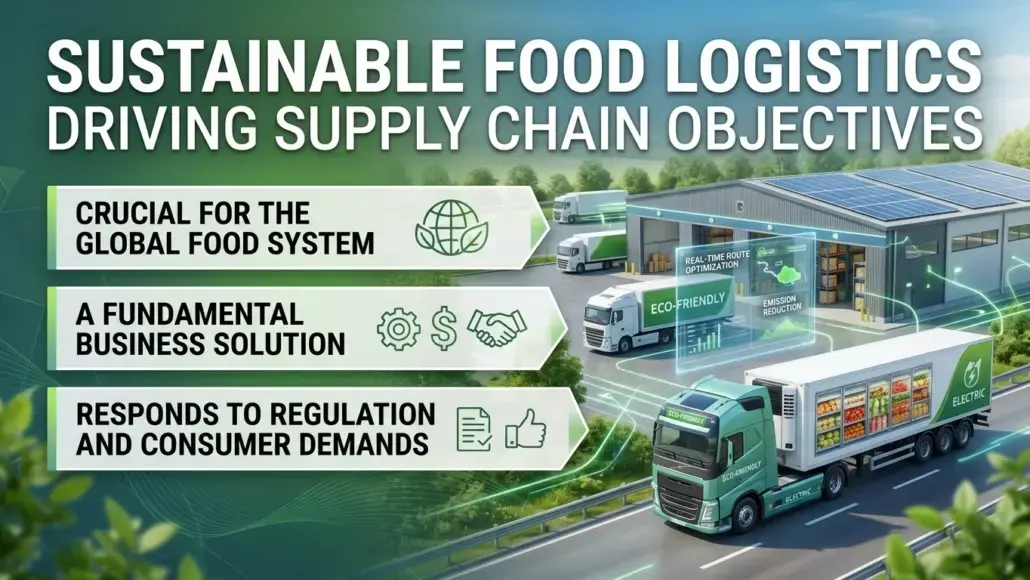
Well, it does not get any clearer than this when we say that transport and logistics are the largest source of greenhouse gas emissions from the global food system. The world is moving to a low-carbon economy, and the strain on the food industry to adopt environmentally friendly practices has never been more intense. The fact is that sustainable food logistics is no longer a niche problem, but it is now a fundamental business solution, addressing regulations, customer demands, and operational effectiveness. By streamlining the movement and storage along with distribution of food, businesses can minimize their impact on the environment while boosting overall performance.
It is well to be noted that sustainability in food distribution happens to be a very intricate challenge. It is a delicate balance between the necessity for fast, temperature-controlled transport, vital to food safety and its freshness, and lowering energy consumption as well as emissions. This calls for a comprehensive strategy combining sophisticated logistics technologies with innovative operational models. Tools for greener supply chains have not historically been more accessible – right from electric vehicles and alternative fuels to AI-driven route optimization. It is indeed a complex transition, but it will be important to the long-term viability of global food systems.
Drivers when it comes to Green Logistics within the Food Sector
There are many interrelated variables that are driving the shift to sustainable food logistics. One of the most influential forces is the evolving regulatory landscape. Governments are adopting stricter standards for emissions and carbon mitigation policies, which is raising the price of traditional logistics models. Businesses that invest in green logistics are going to position themselves ahead of future regulations and encourage long-term compliance. International commitments to climate change are additionally urging large organizations to spread sustainability initiatives all the way through their supply chains.
Another big trigger is consumer expectations. Today’s buyers are increasingly aware of the ecological footprint of what they buy and are opting for brands that show commitment to sustainable supply chains. A transparent and sustainable logistics network has evolved into a major competitive advantage. At the same time, many environmentally friendly techniques, such as freight optimization along with energy-efficient warehousing, lower operating costs. In an industry with thin profitability, such efficiency can be the distinction between being competitive and not.
Transportation Optimization for Emissions Reduction
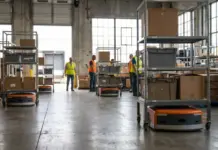
Transport continues to be one of the largest sources of emissions in food supply chains. Traditional logistics frequently rely on empty or partially loaded return trips, which waste fuel and resources. Sustainable food logistics eliminates these inefficiencies by means of improved planning and teamwork. High-end freight optimization programs can support organizations in improving the use of their vehicles in order to make each trip as effective as possible. Vehicles also boost transportation efficiency by backhauling, or transporting goods on return trips, as opposed to traveling empty.
Technology is additionally pushing down the carbon intensity of transporting food. Electric and hydrogen vehicles have grown into progressively more viable options, especially when it comes to urban and last-mile deliveries. Rail and sea freight are being increasingly considered for long-distance transport, where feasible, as they have lower emissions compared to road transport. Modern logistics technology additionally supports more intelligent route planning by considering weather and road networks and traffic conditions, helping minimize fuel consumption and delivery times.
The Function of the Cold Chain when it comes to Sustainability
Cold chain logistics is one of the most energy-intensive elements of food distribution. In conventional diesel-powered refrigeration systems, a lot of energy is utilized to maintain the ideal temperature when it comes to perishable products. Sustainable food logistics is dealing with this problem by making investments in energy-efficient refrigeration along with better insulation. Passive cooling systems and phase-change materials can maintain the necessary temperatures for extended periods, decreasing the need for constant energy input. IoT sensors additionally enable real-time tracking to ensure the refrigeration systems operate only when necessary and breakdowns of equipment are handled promptly.
The design and position of cold storage facilities also play a part in the sustainability of the supply chain. An increasing number of solar panels, energy-efficient refrigeration, LED lighting, and better thermal insulation have all been installed in modern warehouses. Finding facilities closer to manufacturing areas or large consumption centers minimizes transportation distances for temperature-sensitive products. This localized distribution method reduces emissions and boosts supply chain resilience by lowering dependence on long-haul transportation routes.
Collaborated logistics for improved efficiency
Sustainability implies working together across the supply chain. Collaborative logistics, where companies share transportation and storage resources to improve productivity, is one of the best methods to achieve this. For example, multiple companies might be delivering to the same location, and they combine their shipments into one vehicle. This shared logistics model minimizes the number of trucks on the road, lowering fuel consumption, traffic jams, and emissions.
This kind of collaboration is made possible by way of digital platforms that enable organizations to safely exchange knowledge regarding transportation needs and capacity that is available. These platforms contribute to a more effective logistics marketplace and greater utilization of assets all through the supply chain. Concerns related to data privacy and competitive sensitivity concerns remain, but collaborative logistics is an essential step toward more integrated and environmentally friendly food distribution networks.
Breaking Down Barriers to Sustainable Adoption
But there are many obstacles in achieving the goals of sustainable food logistics. One of the greatest is the upfront cost of new technology and infrastructure. Replacing the traditional vehicle fleets with electric vehicles or modernizing warehouses to comply with sustainability standards calls for a lot of capital, particularly for smaller organizations. But the cost of technology keeps falling, and numerous governments are offering incentives alongside financial support to facilitate the adoption of green technologies.
Global food supply chains have been complicated as well, thereby making execution difficult. Sustainability initiatives throughout multiple countries that have distinct regulations, infrastructure, and operating standards demand a long-term commitment and close partnership with suppliers and logistics partners. What do companies need to collaborate on? Developing shared sustainability goals and the pathways to accomplish those goals. Standardized methods of assessing and reporting on sustainability performance are equally essential so that businesses can track advancement and consumers can make informed buying choices.
Food logistics of the future
Sustainability will be further incorporated into supply chain operations. Future of Food Logistics Lower-emission deliveries along with enhanced operational effectiveness are projected to be attained by way of autonomous vehicles, drones, and various other advanced transportation technologies. AI additionally allows new levels of optimum performance for logistics networks, more accurate demand forecasting, decreased waste, and maximized efficiency in transportation. At the same time, circular supply chain standards aimed at waste reduction and resource reuse will continue to be relevant in food distribution systems.
At the end of the day, sustainable food logistics involves more than emissions reduction. “It is about creating an improved, more resilient, and ethical food supply network that fulfills the future environmental, economic, and consumer expectations.
The food industry can make significant strides as far as long-term supply chain sustainability is concerned by means of advanced logistics technologies, enhanced transportation efficiency, and greater cooperation and investment into environmentally friendly infrastructure, all while adhering to global efforts that mitigate impacts on the environment.