



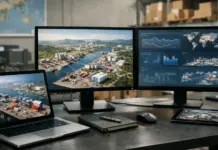
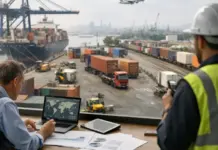














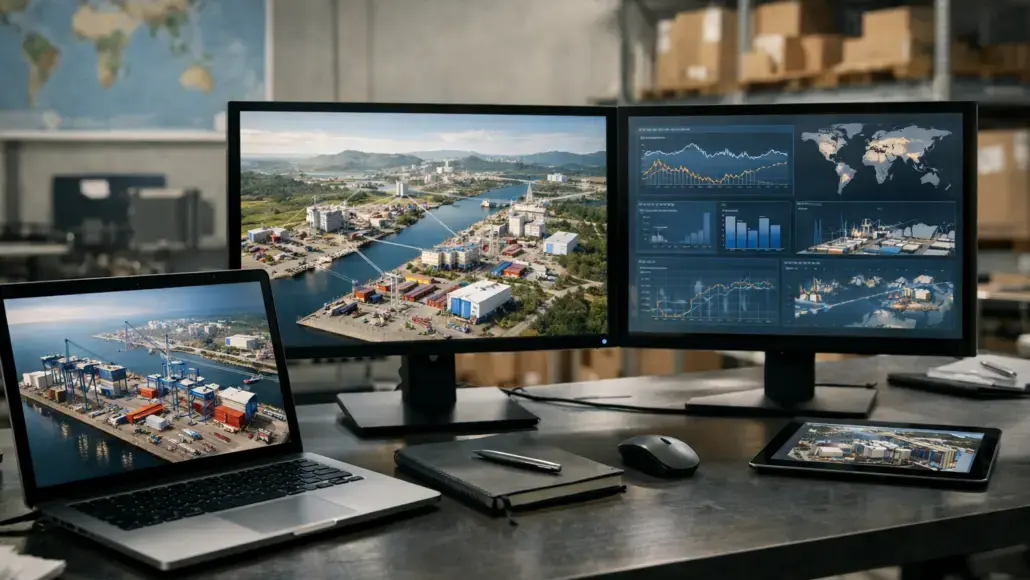
The implementation of virtual models to represent physical assets and processes has become a fundamental tool for modern industrial management. Organizations are increasingly utilizing virtual models to gain a deeper understanding of their operations and to identify potential vulnerabilities that might not be apparent through traditional analysis. By creating a high fidelity replica of the entire supply network, managers can monitor the flow of materials, information, and capital in real time. This level of transparency is essential for identifying bottlenecks and inefficiencies that can lead to significant delays if left unaddressed.
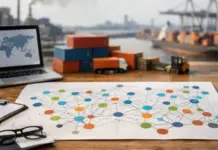
Building a comprehensive virtual model requires the integration of data from a wide variety of sources, including enterprise resource planning systems, warehouse management software, and real time tracking devices. This data integration creates a single source of truth that allows every stakeholder to work from the same set of facts. The these virtual replicas are not static representations but dynamic entities that evolve as the physical system changes. This continuous feedback loop ensures that the virtual model remains an accurate reflection of the current state of the operations, providing a reliable foundation for decision making.
The primary advantage of these virtual replicas is the ability to visualize the impact of various disruptions across the entire network. For instance, if a major port is forced to close, the system can immediately show which shipments will be affected and how the delay will ripple through subsequent stages of the production cycle. This high level of situational awareness allows logistics teams to take proactive measures to reroute cargo or adjust production schedules before the disruption becomes a crisis. By providing a clear and objective view of the situation on the ground, digital twins enable more precise and effective risk management.
Simulating Disruptive Events for Proactive Risk Mitigation
One of the most powerful applications of virtual modeling is the ability to perform simulations of various disruptive events. Managers can use the system to stress test their operations under a wide range of scenarios, from natural disasters and labor disputes to sudden shifts in trade policy. These simulations help to identify the “critical path” of the supply chain and prioritize risk mitigation efforts. By understanding which nodes are the most vital and the most vulnerable, companies can allocate their resources more effectively and develop targeted contingency plans.
Simulations also allow organizations to evaluate the effectiveness of different mitigation strategies before they are implemented in the physical world. For example, a company might use the virtual model to test the impact of adding a new distribution center or diversifying its supplier base. By comparing the results of different scenarios, leaders can make more informed decisions about where to invest in resilience. This data driven approach to strategy development provides a level of certainty that is impossible to achieve through more traditional, intuition based methods.
The use of artificial intelligence and machine learning further enhances the power of these simulations by allowing for more complex and realistic scenarios. These advanced technologies can identify non-linear relationships and hidden patterns in the data, providing more accurate predictions of how the system will react to a specific disruption. In addition, the system can automatically suggest the best course of action in response to a simulated crisis, such as recommending an alternative shipping route or identifying a backup supplier. This automated decision support speeds up the response process and ensures that all available information is considered.
Enhancing Scenario Planning with Advanced Data Modeling
Scenario planning is a critical component of strategic management, allowing organizations to prepare for a wide range of potential futures. These digital replicas provide the detailed data and analytical tools needed to perform this planning at a granular level. Rather than relying on broad industry trends, managers can use the virtual model to understand how specific events will affect their own unique operations. This tailored approach to scenario planning ensures that the organization is prepared for the risks that are most relevant to its business.
Advanced data modeling allows for the creation of “what-if” scenarios that can explore the impact of subtle changes in market conditions. For instance, a company might use the virtual model to understand how a 5% increase in fuel costs or a 10% decrease in demand in a specific region will affect its overall profitability. These insights allow for more precise financial planning and help the organization to remain agile in a rapidly changing environment. By continuously updating the virtual model with new data, companies can ensure that their scenario planning remains current and relevant.
In addition to financial planning, digital twins also support the development of more sustainable and ethical operations. Organizations can use the virtual model to track the carbon footprint of their products and identify opportunities for reducing emissions and waste. This visibility allows for more informed decisions about sourcing and logistics, helping the organization to meet its sustainability goals and reduce its environmental impact. By integrating social and environmental metrics into their scenario planning, companies can build a more ethical and resilient business that is better positioned to meet the expectations of modern consumers.
Integrating Real Time Visibility into Strategic Decision Processes
For digital twins to be truly effective, the insights they provide must be integrated into the organization’s broader decision making processes. This involves moving beyond a purely technical focus and ensuring that the virtual model is used by leaders at all levels of the organization. When every department has access to the same high quality data, they can work together more effectively to solve problems and adapt to new challenges. This collaborative approach to management is essential for building a more stable and adaptable business.
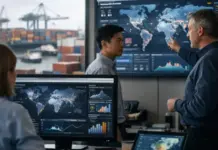
Integrating virtual modeling into strategic decision making also requires a shift in culture and mindset. Leaders must be willing to trust the data and act on the insights provided by the system, even if they contradict traditional intuition. This data driven culture is the key to maximizing the value of the investment in digital transformation. Training and education are essential for ensuring that employees have the skills needed to use the virtual model effectively and to interpret the results of simulations and scenario planning.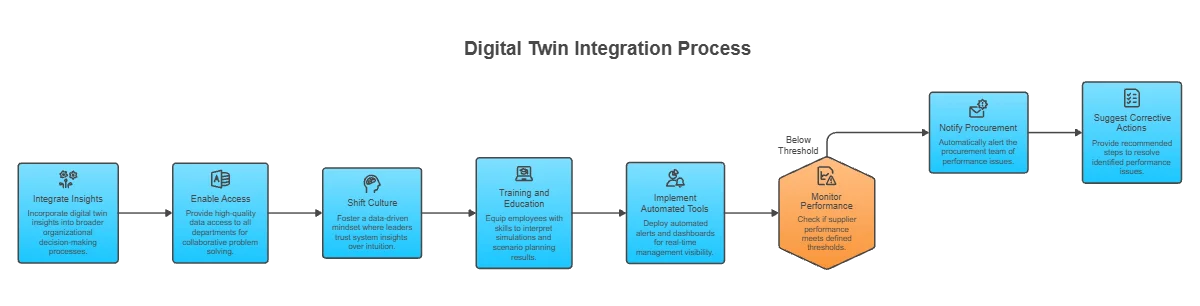 The use of automated alerts and dashboards further supports the integration of real time visibility into the management process. These tools allow managers to stay informed about changes in the network and respond quickly to potential issues. For instance, if a supplier’s performance falls below a certain threshold, the system can automatically notify the relevant procurement team and suggest corrective actions. This proactive oversight reduces the burden on human analysts and ensures that critical information is acted upon as quickly as possible. Ultimately, the goal is to create a system where data is used to drive every decision, from day to day logistics to long term strategic planning.
Ensuring Network Stability Through Continuous Virtual Monitoring
Continuous monitoring of the physical system through its virtual replica is essential for maintaining operational stability. Digital twins allow for the detection of subtle changes and anomalies that might indicate an emerging problem. For instance, a sudden increase in lead times or a minor shift in inventory levels can be an early warning sign of a larger disruption. By identifying these issues early, the organization can take corrective action before they escalate into a major crisis.
Monitoring also extends to the external environment, including geopolitical developments, weather patterns, and economic indicators. By integrating this external data into the virtual model, companies can gain a more holistic and accurate picture of the global risk environment. This high level of situational awareness is a key competitive advantage, allowing businesses to stay ahead of the curve and respond more effectively to emerging challenges. In addition, the system can automatically update the results of simulations and scenario planning as new data becomes available, ensuring that the organization’s foresight remains sharp and relevant.
The implementation of virtual models is an ongoing process of improvement and innovation. Organizations must continuously refine their virtual models and adopt new technologies to stay ahead of emerging risks. This includes exploring the use of blockchain for secure and transparent record keeping, as well as the application of advanced sensors and internet of things devices for more granular data collection. By embracing a culture of continuous learning and adaptation, businesses can build a supply network that is not only resilient but also ethical and sustainable. This strategic use of information and technology is the key to building a more successful and stable business in an increasingly complex and unpredictable world.
Final Perspective
The adoption of digital twins for risk simulation and scenario planning represents a fundamental shift in the way supply chains are managed. By providing high fidelity virtual replicas of complex networks, these tools enable organizations to identify vulnerabilities, test mitigation strategies, and prepare for a wide range of potential futures. This proactive and data driven approach to risk management ensures operational stability and protects the long term success of the business. As the global trade environment becomes increasingly complex, the ability to turn data into actionable insights will remain a critical competitive advantage for any organization looking to thrive in the face of uncertainty. Additionally, these models facilitate strengthening supply chain resilience through supplier diversification by allowing companies to test the impact of new partners on their overall network stability.