


















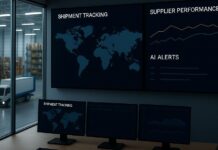

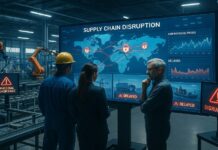


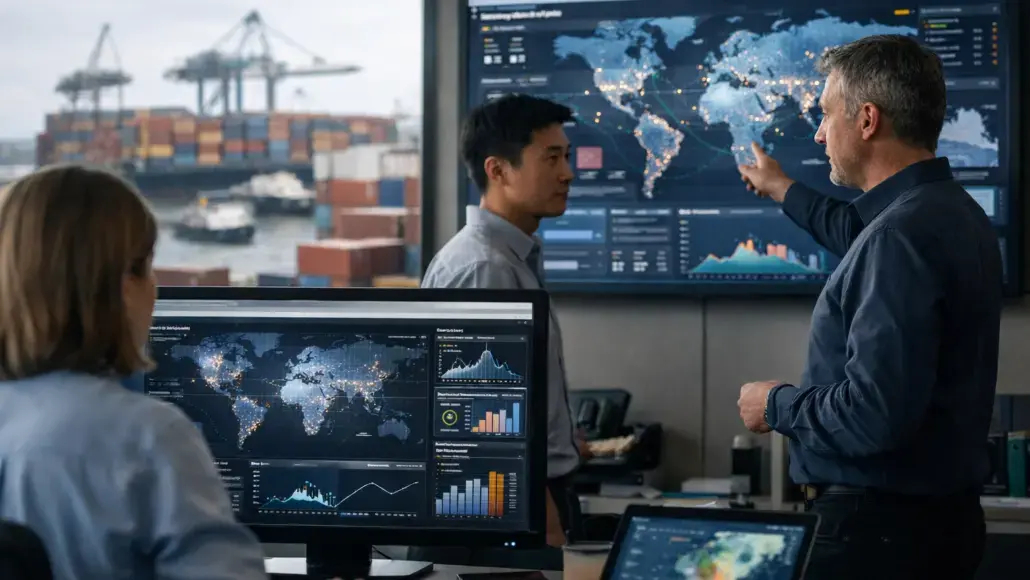
The integration of artificial intelligence into the supply chain has transformed the way organizations identify and respond to potential threats. Traditionally, risk management was a reactive process, relying on historical data and manual assessments to understand past failures. However, the speed and scale of modern global trade require a more proactive and automated approach. By utilizing advanced algorithms and vast datasets, businesses can now develop a level of predictive intelligence that allows them to anticipate disruptions before they occur, providing a critical window for intervention and mitigation.
Predictive analytics models can process millions of data points from diverse sources, including weather patterns, economic indicators, and social media sentiment. These models are designed to recognize patterns and anomalies that might be invisible to human analysts, such as subtle shifts in supplier performance or emerging bottlenecks in regional logistics hubs. By identifying these early warning signs, the system can alert managers to potential issues, allowing them to adjust their plans and secure alternative resources before a crisis manifests. This shift from reaction to prediction is essential for maintaining operational continuity in an increasingly volatile world.
The effectiveness of these predictive models depends on the quality and variety of the data they process. Organizations are increasingly looking beyond their own internal systems to incorporate external data from a wide range of providers. This includes real time tracking of shipping vessels, satellite imagery of port activity, and detailed reports on regional political developments. By combining these diverse data streams, the artificial intelligence can create a more holistic and accurate picture of the global risk environment, enabling more precise and reliable forecasts. This continuous process of data ingestion and analysis ensures that the organization’s foresight remains sharp and relevant.
Integrating Diverse Data Streams for Comprehensive Visibility
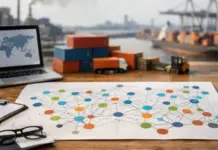
Achieving true risk intelligence requires the integration of disparate data sources into a single, unified view of the entire network. For many companies, this is a significant technical challenge, as data is often siloed within different departments or stored in incompatible formats. Bridging these gaps is essential for creating a “digital twin” of the supply chain, a virtual model that allows managers to simulate various scenarios and understand the impact of potential disruptions. This comprehensive visibility is the foundation of a proactive risk management strategy, providing the clarity needed to make informed decisions under pressure.
Data integration involves more than just technical connectivity: it requires a common language and standardized metrics across the organization. This ensures that information from procurement, logistics, and sales can be combined and analyzed effectively. Cloud based platforms are often used to host these integrated data environments, providing the scalability and accessibility needed to support global operations. By creating a centralized repository of information, companies can ensure that every stakeholder is working from the same set of facts, reducing the likelihood of communication errors and improving the speed of the response.
In addition to internal data, the integration of third party information is critical for understanding external risks. This includes data on supplier health, geographic vulnerabilities, and broader market trends. Advanced platforms can automatically ingest this information and flag potential issues, such as a supplier facing financial difficulties or a region experiencing civil unrest. This external perspective is vital for identifying risks that might not be apparent from internal data alone. By maintaining a constant flow of information from a wide variety of sources, organizations can build a more stable and resilient network that is better positioned to handle unexpected changes.
Automated Monitoring of Global Shipping and Logistics Hubs
The ability to monitor the movement of goods in real time is a critical component of modern risk intelligence. Automated tracking systems utilize sensors, GPS, and internet of things devices to provide granular data on the location and condition of cargo. This transparency allows logistics teams to identify delays as they happen and take immediate action to reroute shipments or adjust production schedules. For companies transporting high value or time sensitive items, this level of insight is essential for protecting their assets and ensuring customer satisfaction.
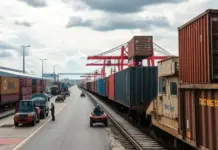
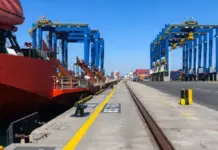
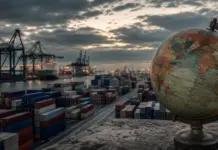
Monitoring also extends to the physical infrastructure that supports global trade, such as ports, airports, and major trucking routes. By analyzing data on port congestion, labor disputes, and customs delays, artificial intelligence can provide early warnings about potential bottlenecks. For instance, if a major port begins to experience significant delays, the system can automatically suggest alternative routes or distribution centers to avoid the impact. This automated oversight reduces the burden on human analysts and ensures that critical information is processed and acted upon as quickly as possible.
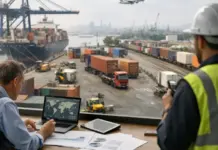
The use of computer vision and satellite imagery is also becoming an increasingly important tool for monitoring global hubs. These technologies can provide real time updates on the number of vessels waiting at anchor, the volume of containers moving through a terminal, and even the progress of construction projects at key facilities. By integrating this visual data into their risk models, organizations can gain a more direct and objective understanding of the situation on the ground. This high level of situational awareness is a key competitive advantage, allowing businesses to stay ahead of the curve and respond more effectively to emerging challenges in the global logistics environment.
Machine Learning Applications in Demand and Supply Sensing
Machine learning is a subset of artificial intelligence that is particularly well suited for sensing changes in demand and supply. Unlike traditional forecasting methods, which often rely on simple linear models, machine learning can identify complex, non-linear relationships in vast amounts of data. This allows for more accurate and responsive forecasts that can adapt to rapid changes in market conditions. For logistics leaders, this means being able to anticipate shifts in customer behavior and adjust their procurement and production plans accordingly, reducing the risk of stockouts or excess inventory.
In addition to demand sensing, machine learning is also used for supply sensing, which involves monitoring the capacity and performance of the supply base. By analyzing historical performance data and real time alerts, the system can identify suppliers who are likely to experience issues with quality or delivery. This allows procurement teams to proactively engage with these partners or identify alternative sources before a failure occurs. This proactive management of the supplier relationship is essential for maintaining a stable and reliable flow of materials, especially in an environment where supply is increasingly constrained and unpredictable.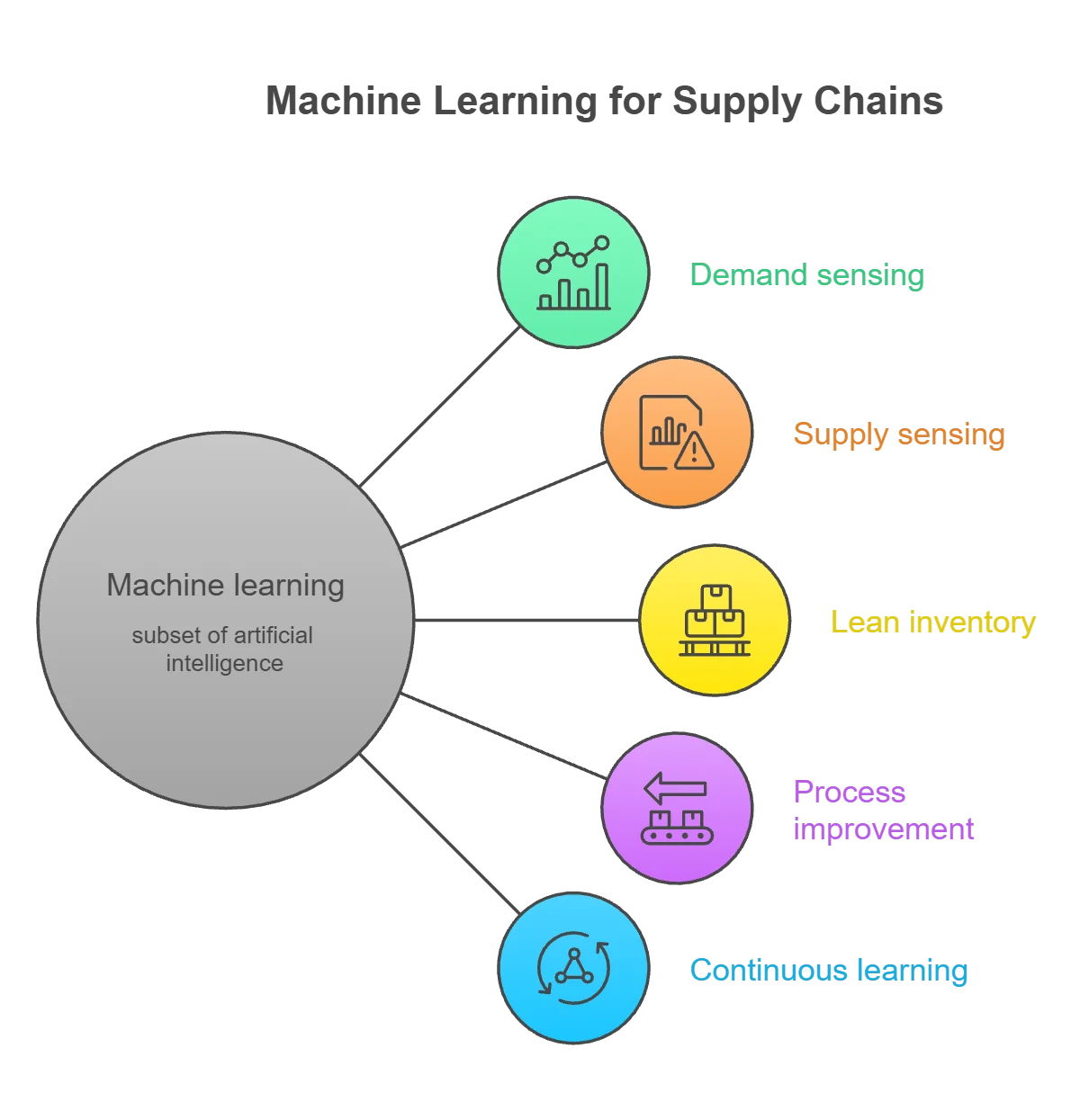
The application of machine learning also helps organizations to manage the trade offs between lean inventory and resilience. By providing more accurate forecasts, these systems allow companies to reduce their safety stock without increasing the risk of shortages. This optimization is a key part of maintaining a competitive cost structure while also ensuring operational stability. In addition, machine learning can be used to identify opportunities for process improvement and waste reduction across the network, further enhancing efficiency and sustainability. The ability to continuously learn and adapt is the primary advantage of these advanced technologies, making them an essential part of any modern strategy focused on preventing disruptions.
Bridging the Gap Between Data Insights and Strategic Action
The ultimate goal of risk intelligence is to provide the insights needed to drive strategic action. However, having access to vast amounts of data and advanced analytics is only half the battle: organizations must also have the processes and culture in place to act on this information effectively. This requires a shift away from siloed decision making toward a more collaborative and integrated approach. When risk insights are shared across the organization, every department can contribute to the development and implementation of effective mitigation strategies.
Bridging the gap between insights and action often involves the use of automated decision support systems. These systems can provide recommendations on the best course of action in response to a specific risk, such as suggesting an alternative supplier or rerouting a shipment. While the final decision often rests with a human manager, these automated suggestions can significantly speed up the response process and ensure that all available data is considered. To be effective, these systems must be transparent and explainable, providing the rationale behind each recommendation to build trust and ensure alignment with the organization’s goals.
Building a culture of risk awareness and data driven decision making is also essential for long term success. This involves training employees at all levels to understand and utilize the insights provided by risk intelligence tools. It also requires a willingness to experiment and learn from failures, as the global trade environment is constantly changing and new risks are always emerging. By fostering a culture of continuous improvement and adaptation, organizations can ensure that they are not just reacting to disruptions but are proactively shaping their future. This strategic use of information and technology is the key to building a more resilient and successful business in an increasingly complex and unpredictable world.
Final Perspective
The adoption of AI-driven risk intelligence represents a fundamental shift in the way supply chains are managed. By moving from a reactive to a predictive model, organizations can identify and address potential threats before they manifest as significant disruptions. This proactive approach, supported by advanced data integration and automated monitoring, ensures operational stability and protects the long term success of the business. As the global trade environment becomes increasingly complex, the ability to turn data into actionable insights will remain a critical competitive advantage for any organization looking to thrive in the face of uncertainty.
The application of machine learning also helps organizations to manage the trade offs involved in balancing lean inventory with supply chain resilience.