


























The ability to identify potential threats before they manifest as significant disruptions is a critical advantage in the modern global market. Organizations are increasingly utilizing predictive modeling to process vast amounts of data and identify patterns that might indicate an emerging problem. Unlike traditional methods that rely on historical trends, these advanced models use real time data and sophisticated algorithms to provide a more forward looking view of the risk environment. This proactive stance is essential for maintaining operational continuity and protecting the long term health of the business.
Advanced data modeling allows for the integration of disparate data sources, such as weather patterns, economic indicators, and social media sentiment. By analyzing these diverse data streams, the system can identify early warning signs that might be invisible to human analysts. For instance, a subtle shift in supplier performance or a minor delay in a regional logistics hub can be an indicator of a larger issue. By flagging these anomalies early, the organization can take corrective action before they escalate into a major crisis. This high level of situational awareness is the foundation of a stable and resilient network.
The effectiveness of these predictive models depends on the quality and variety of the data they process. Companies are increasingly incorporating external data from a wide range of providers to create a more holistic and accurate picture of the global risk environment. This includes real time tracking of shipping vessels, satellite imagery of port activity, and detailed reports on regional political developments. By combining these external insights with internal operational data, the system can provide more precise and reliable forecasts, enabling better decision making at every level of the organization.
Enhancing Supply Chain Visibility Through Machine Learning
Machine learning is a subset of artificial intelligence that is particularly well suited for identifying complex and non-linear relationships in data. By continuously learning from new information, these models can adapt to rapid changes in market conditions and provide increasingly accurate predictions over time. In the context of risk management, machine learning can be used to monitor the capacity and performance of the supply base, identifying partners who are likely to experience issues with quality or delivery. This proactive sensing allows procurement teams to engage with suppliers early or identify alternative sources before a failure occurs.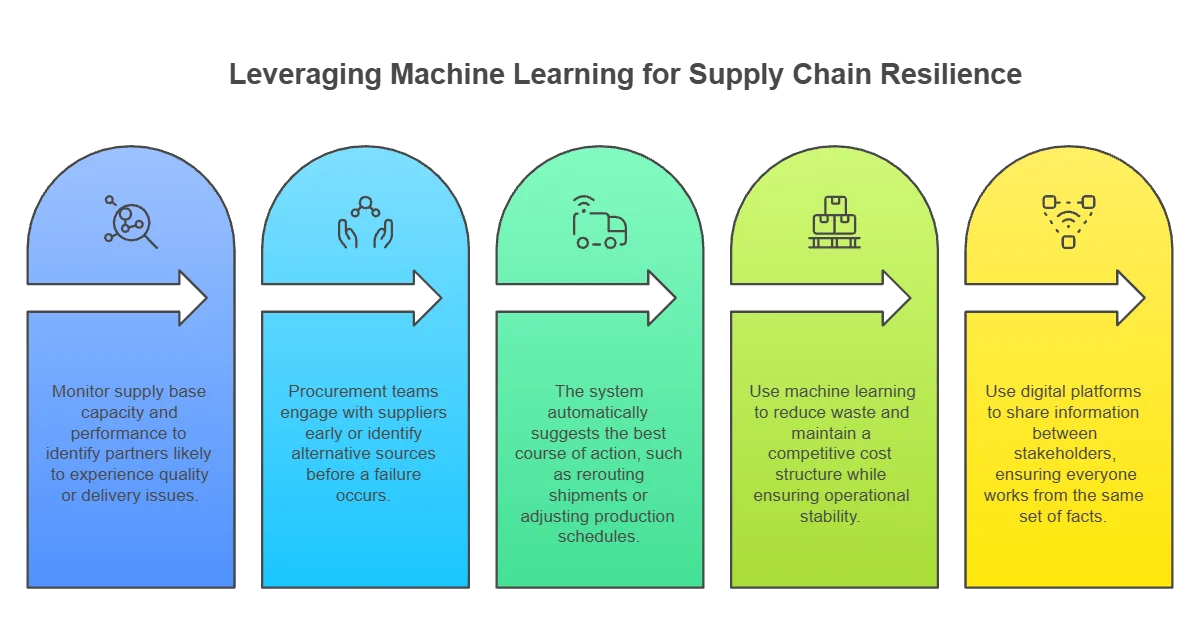
The integration of machine learning into the supply chain also supports more responsive and agile operations. For example, the system can automatically suggest the best course of action in response to a potential disruption, such as rerouting a shipment or adjusting a production schedule. This automated decision support speeds up the response process and ensures that all available information is considered. In addition, machine learning can be used to optimize inventory levels and reduce waste, helping the organization to maintain a competitive cost structure while also ensuring operational stability.
Achieving true visibility requires a commitment to data transparency and collaboration across the entire network. Digital platforms allow for the sharing of information between different stakeholders, ensuring that everyone is working from the same set of facts. This collaborative environment reduces the likelihood of communication errors and improves the speed of the response to emerging threats. By building a transparent and agile network, businesses can capitalize on the benefits of proactive modeling and ensure that they are prepared for the challenges of an unpredictable global market.
Monitoring Global Logistics Hubs for Real Time Insights
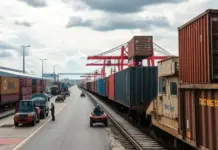
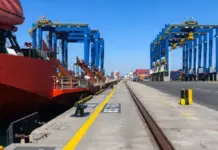
The movement of goods through global logistics hubs is a primary area where disruptions can occur. Monitoring these nodes in real time is essential for maintaining the stability of the entire network. Predictive analytics tools can analyze data on port congestion, labor disputes, and customs delays to provide early warnings about potential bottlenecks. By identifying these issues as they happen, logistics teams can take immediate action to reroute cargo or secure alternative transportation, reducing the impact on the overall production cycle.
In addition to traditional data sources, the use of computer vision and satellite imagery is providing new ways to monitor global hubs. These technologies can provide real time updates on the volume of containers moving through a terminal or the number of vessels waiting at anchor. By integrating this visual data into their risk models, organizations can gain a more direct and objective understanding of the situation on the ground. This high level of situational awareness allows for more precise and effective risk management, ensuring that potential issues are addressed before they become significant delays.
Automation plays a vital role in managing the vast amounts of data generated by real time monitoring. Advanced platforms can automatically ingest information from sensors and internet of things devices, flagging potential issues and suggesting corrective actions. This automated oversight reduces the burden on human analysts and ensures that critical information is processed and acted upon as quickly as possible. By creating a more transparent and automated monitoring system, companies can build a more stable and resilient network that is better positioned to handle unexpected changes in the global trade environment.
Integrating Risk Intelligence into Strategic Decision Making
For predictive analytics to be truly effective, the insights it provides must be integrated into the organization’s broader decision making processes. This involves moving beyond a purely technical focus and ensuring that risk intelligence is used by leaders at all levels of the organization. When every department has access to the same high quality data, they can work together more effectively to solve problems and adapt to new challenges. This collaborative approach to management is essential for building a more stable and adaptable business.
Integrating risk intelligence into strategic decision making also requires a shift in culture and mindset. Leaders must be willing to trust the data and act on the insights provided by the system, even if they contradict traditional intuition. This data driven culture is the key to maximizing the value of the investment in digital transformation. Training and education are essential for ensuring that employees have the skills needed to use the analytical tools effectively and to interpret the results of forecasts and simulations.
The use of automated alerts and dashboards further supports the integration of risk intelligence into the management process. These tools allow managers to stay informed about changes in the network and respond quickly to potential issues. For instance, if a supplier’s performance falls below a certain threshold, the system can automatically notify the relevant procurement team and suggest corrective actions. This proactive oversight ensures that critical information is acted upon as quickly as possible, protecting the organization’s operational stability. Ultimately, the goal is to create a system where data is used to drive every decision, from day to day logistics to long term strategic planning.
Building a Continuous Learning Environment for Long Term Success
The implementation of predictive analytics is an ongoing process of improvement and innovation. Organizations must continuously refine their models and adopt new technologies to stay ahead of emerging risks. This includes exploring the use of blockchain for secure and transparent record keeping, as well as the application of advanced sensors for more granular data collection. By embracing a culture of continuous learning and adaptation, businesses can build a supply network that is not only resilient but also ethical and sustainable.
A critical component of a continuous learning environment is the ability to learn from past disruptions and use those lessons to improve future performance. By analyzing the causes and impacts of previous failures, companies can refine their risk models and develop more effective mitigation strategies. This ongoing process of assessment and adjustment is essential for maintaining the organization’s foresight and ensuring its long term success in an unpredictable world. In addition, the organization must stay informed about broader market trends and technological developments to ensure that its analytical capabilities remain competitive.
Ultimately, the goal of predictive analytics is to provide the insights needed to thrive in the face of uncertainty. By identifying early warning signs and enabling proactive risk management, these tools provide a critical advantage in the modern global market. A commitment to transparency, collaboration, and continuous improvement is essential for maximizing the value of these advanced technologies and building a more stable and resilient business. The future belongs to those who can effectively utilize data to anticipate and adapt to change. This foresight is also vital when managing logistics risks across complex global transportation networks, as it allows for the early identification of bottlenecks that could impede the flow of goods.
Final Perspective
The adoption of predictive analytics for the early detection of disruptions represents a fundamental shift in the way supply chains are managed. By moving from a reactive to a proactive model, organizations can identify and address potential threats before they manifest as significant delays. This strategic use of information and technology, supported by advanced data modeling and machine learning, ensures operational stability and protects the long term success of the business. As the global trade environment becomes increasingly complex, the ability to turn data into actionable insights will remain a critical competitive advantage for any organization looking to thrive in the face of uncertainty.