






















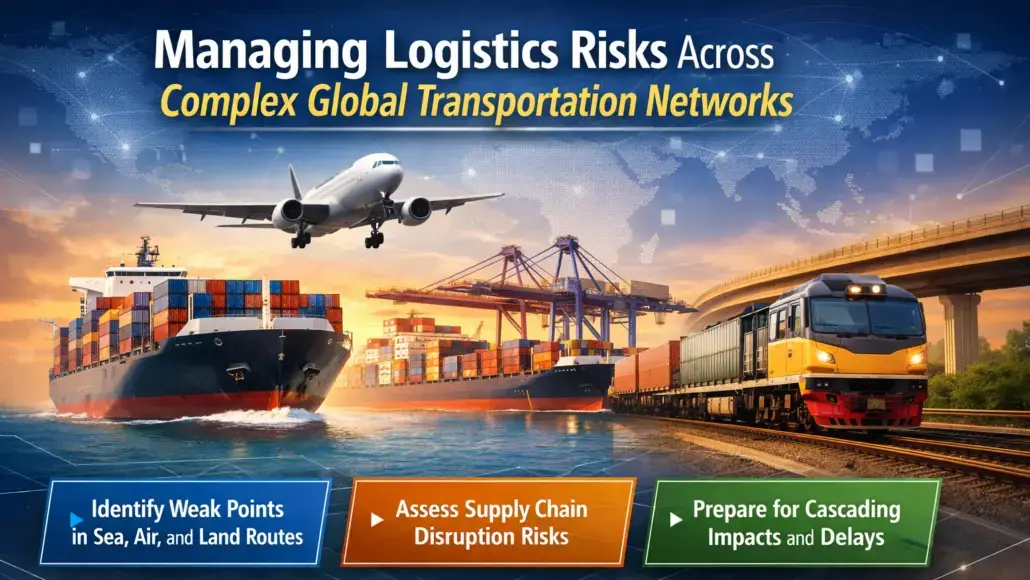
The movement of goods through an intricate web of sea, air, and land routes is the lifeblood of the modern industrial economy. However, the sheer complexity of these global transportation networks introduces a myriad of vulnerabilities that can disrupt the flow of materials and finished products. Organizations must recognize that risks are not localized events but interconnected phenomena that can ripple through the entire system. Identifying these vulnerabilities requires a rigorous assessment of the critical corridors and hubs that form the backbone of the organization’s logistics operations.
Fragility in transportation often stems from an overreliance on specific geographic routes or narrow transit points, such as major canals or straits. When these “choke points” experience interruptions due to regional conflicts, natural disasters, or labor disputes, the impact on global trade is immediate. To mitigate these risks, businesses are evaluating their reliance on traditional routes and exploring alternative corridors that offer greater flexibility. This evaluation involves a broad perspective on risk that includes geopolitical stability, environmental factors, and the capacity of local infrastructure to handle unexpected changes.
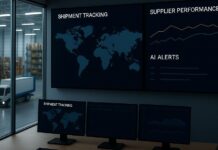
Visibility is the cornerstone of any strategy aimed at managing logistics risks. Without accurate, real time data, decision makers are forced to rely on historical trends that may no longer be relevant in a rapidly changing environment. Advanced tracking systems and integrated platforms allow companies to monitor the movement of cargo from the point of origin to the final destination. This transparency enables managers to identify delays early and take proactive measures to reroute shipments before they become significant disruptions. By analyzing the flow of goods across multiple borders, companies can identify where administrative friction or port congestion might slow down their operations.
Strategies for Mitigating Maritime and Port Related Risks
The maritime sector is the primary mode of transport for global trade, but it is also one of the most vulnerable to disruption. Port congestion, labor strikes at terminals, and the scarcity of shipping containers are ongoing challenges that require a proactive and strategic response. To address these issues, many organizations are diversifying their port entries, opting to use secondary or regional ports to avoid the bottlenecks common at major global hubs. This decentralized approach provides a vital buffer that allows for continued operations even if a primary port is temporarily offline.
In addition to diversifying port entries, companies are also rethinking their relationships with ocean carriers. Moving away from purely transactional, spot market based arrangements toward long term partnerships can provide greater stability and priority access to capacity during periods of high demand. These collaborative relationships involve open communication and a shared commitment to risk management. When both parties are aligned on goals and expectations, they can work together more effectively to solve problems and adapt to new challenges. This mutual support is particularly valuable during a crisis, when carriers may have to choose which customers to prioritize.
Technology plays a vital role in managing maritime risks by providing granular data on vessel movements and terminal activity. Automated tracking systems utilize sensors and satellite imagery to provide real time updates on the location and condition of cargo. This level of insight allows logistics teams to identify potential delays early and adjust their plans accordingly. For instance, if a major port begins to experience significant congestion, the system can automatically suggest alternative routes or distribution centers to avoid the impact. By integrating this data into their decision making processes, organizations can build a more stable and resilient maritime logistics network.
Managing Air and Land Transportation Challenges
While maritime transport handles the bulk of global trade, air and land transportation are essential for time sensitive or high value items. These modes of transport also face significant risks, including regional airspace closures, fuel price volatility, and labor shortages in the trucking industry. Managing these challenges requires a flexible and integrated approach that can quickly pivot between different modes of transport in response to changing conditions. This intermodal agility is a key competitive advantage for any organization looking to maintain a stable flow of goods across a complex network.
Air cargo is particularly sensitive to sudden shifts in capacity and pricing. During periods of global disruption, the availability of belly cargo on passenger flights can decrease significantly, leading to higher costs and longer lead times for dedicated freighters. To manage these risks, companies are securing long term capacity through block space agreements or by partnering with specialized air freight providers. This proactive approach ensures that critical shipments can continue to move even when capacity is constrained. In addition, organizations are utilizing advanced analytics to optimize their air freight spend and identify opportunities for shifting some cargo to less expensive modes of transport.
Land transportation, including trucking and rail, is the final link in the global logistics chain. Risks in this sector often stem from regional infrastructure limitations and labor issues. To mitigate these risks, businesses are building more collaborative partnerships with local carriers and investing in technology that can optimize routing and reduce idle time. For instance, the use of telematics and route optimization software allows for more precise scheduling and real time monitoring of truck movements. This transparency enables managers to identify potential delays on the ground and take corrective action before they impact the final delivery to the customer.
Integrating Risk Management into Logistics Strategic Planning
For the management of transportation risks to be effective, it must be integrated into the organization’s broader strategic planning process. This involves moving beyond a purely reactive stance and using data driven insights to inform long term decisions. For example, risk considerations should be a primary factor when evaluating new manufacturing locations or entering new markets. By choosing locations with stable and diverse transportation options, companies can build resilience into their operations from the very beginning. This cross functional collaboration between logistics, procurement, and risk management is essential for creating a more stable and adaptable organization.
Integrating risk into strategic planning also involves the use of sophisticated modeling tools to simulate the impact of various disruptions on the entire transportation network. Managers can stress test their operations under a wide range of scenarios, from port strikes to sudden changes in trade policy. These simulations help to identify the “critical path” of the logistics network and prioritize risk mitigation efforts. By understanding which routes and hubs are the most vital and the most vulnerable, companies can allocate their resources more effectively and develop targeted contingency plans. This data driven approach provides a level of certainty that is impossible to achieve with more traditional methods.
In addition to financial modeling, organizations are exploring new ways to improve efficiency without sacrificing stability. This includes the use of digital technologies to optimize routes, reduce waste, and improve collaboration with partners. By creating a more transparent and agile network, companies can respond more quickly to changes and reduce the overall cost of managing a complex global footprint. The goal is to create a system that is both lean and resilient, capable of delivering high value to customers while also being able to withstand the shocks of a volatile global market.
Ensuring Long Term Stability Through Continuous Monitoring
Maintaining operational stability in a dynamic and global network requires a commitment to continuous monitoring and improvement. Organizations must continuously refine their risk management processes and adopt new technologies to stay ahead of emerging threats. This includes exploring the use of blockchain for secure and transparent record keeping, as well as the application of artificial intelligence for more advanced risk prediction. By embracing a culture of continuous learning and adaptation, businesses can build a logistics network that is not only resilient but also ethical and sustainable.
Monitoring also extends to the external environment, including geopolitical developments and broader market trends. By staying informed about emerging risks, companies can proactively adjust their strategies and relocate their assets as needed. This flexibility is the key to long term success in an unpredictable world. A rigid network that cannot adapt to change is a major liability, regardless of how efficient it may be in the short term. Building adaptability into the core of the business requires a culture of innovation and a willingness to embrace change at every level of the organization.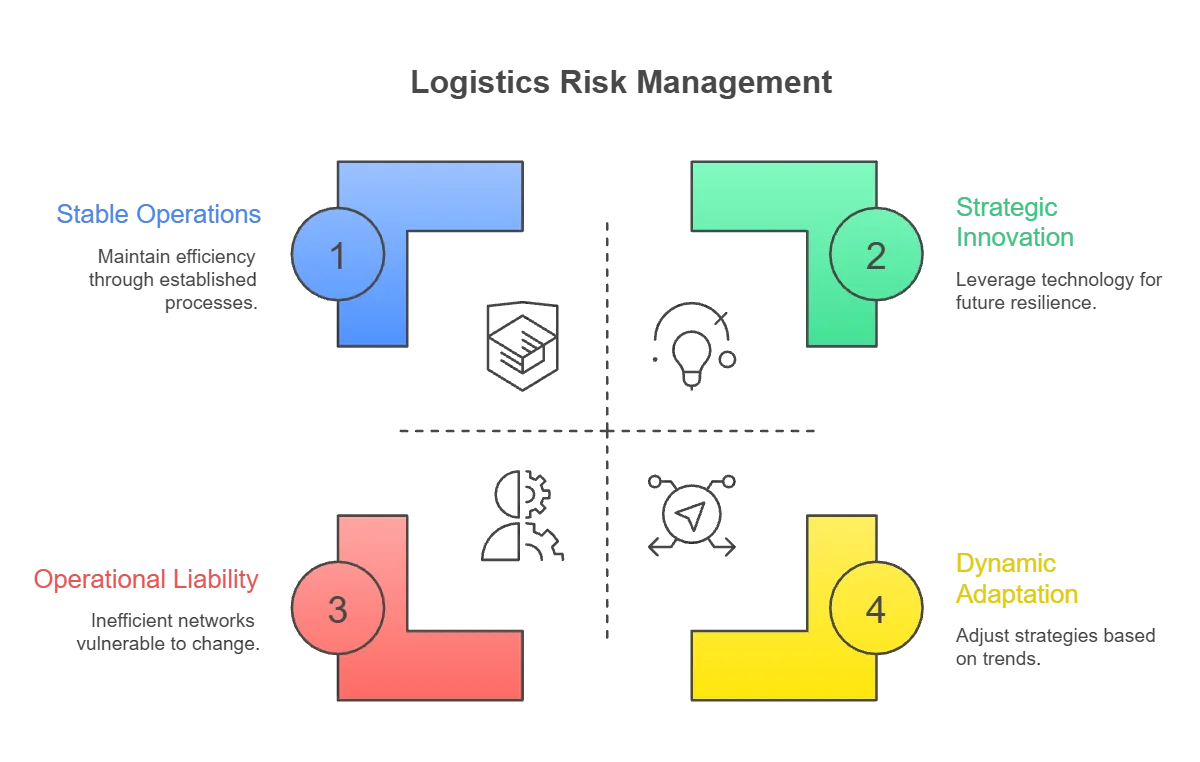 The management of logistics risks is an ongoing effort that requires the collaboration of every participant in the network. By building strong partnerships, utilizing advanced technology, and integrating risk into strategic planning, organizations can protect their operations and thrive in the face of uncertainty. The lessons learned from recent disruptions are clear: the future belongs to those who can build networks that are as resilient as they are efficient. In addition, establishing a solid foundation through business continuity planning for critical supply chain operations ensures that the organization remains functional even when unforeseen logistical challenges arise.
Final Perspective
The management of logistics risks across complex global transportation networks is essential for maintaining the stability and long term success of any modern enterprise. By identifying vulnerabilities, diversifying routes, and utilizing advanced technology, organizations can reduce their exposure to disruptions and ensure the continuous flow of goods. This strategic shift, supported by collaborative partnerships and data driven insights, provides the flexibility needed to succeed in an increasingly complex and unpredictable global market. As the world of trade continues to evolve, the ability to manage a resilient and agile logistics network will remain a critical competitive advantage.