




























In an effort to protect the EU from cheap imports, mainly from Asia, the European Union will impose a series of import quotas and minimum prices for electrical steel and downstream products, it said on Friday.
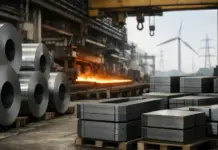
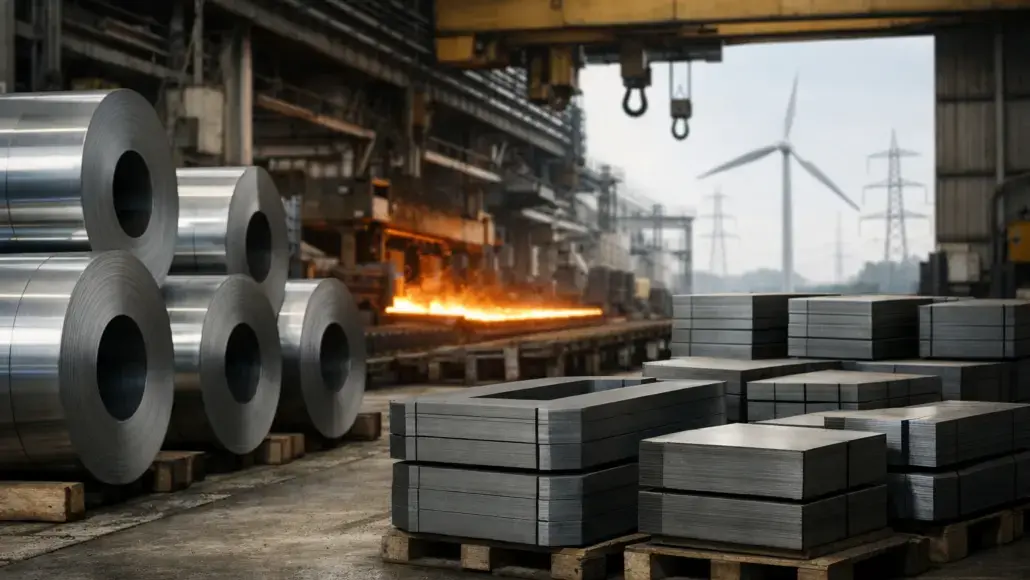
The move is expected to help Thyssenkrupp’s unit TKSE and Poland’s Stalprodukt SA among the last European producers of electrical steel for wind turbines and power grids.
The EU will impose safeguards on grain-oriented electrical steel – GOES, laminations and transformer cores containing the metal to keep production in Europe going. The minimum price for the steel itself will be set at between €2,800 and €3,400 per metric tonne within the quotas and €3,500 per tonne for volumes above them.
“What is particularly significant is that, for the first time, an entire value chain, from electrical steel to the transformer core, is being protected rather than a single product alone.” TKSE CEO Marie Jaroni said.
The European Commission launched an investigation into GOES safeguards in March. The measures to be applied from September 25 are provisional, as the probe continues. But at the end of the investigation, definitive measures would have to be imposed by a qualified majority of EU members.
As part to protect the EU From Cheap Imports, there is a broader action to safeguard Europe’s struggling steel sector from low-cost competition, including from China, was announced earlier this year, but electrical steel was not part of that.
Thyssenkrupp announced temporary production halts at its electrical steel sites in Germany and France last year as rivals have been dumping excess capacity on European markets at discounts of 25%, sources said.
Brussels’ move comes as the continent’s industry is increasingly calling for better protection against China, the EU’s second largest trading partner after the US, with automotive, chemicals, and steel companies all under pressure.
Since 2015, imports of electrical steel from China, Japan, Russia, South Korea, and the United States have been subject to anti-dumping measures in the form of minimum import prices. The new minimum prices are not directly comparable but are substantially higher than those already set. They will also apply to downstream products.