



























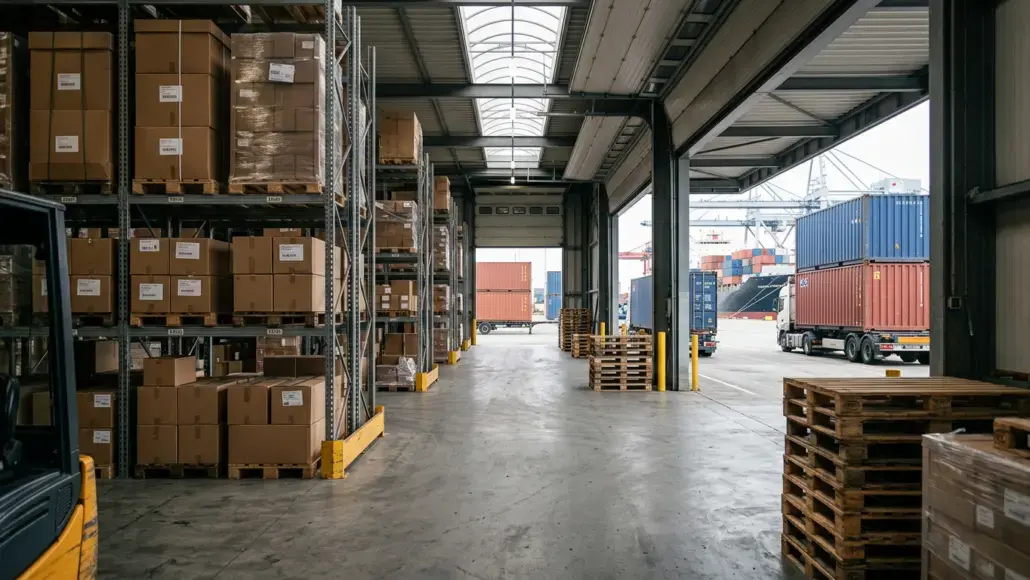
The concept of just in time manufacturing, which prioritizes minimizing waste and reducing stock levels, has been a cornerstone of industrial efficiency for decades. By focusing on producing only what is needed, when it is needed, organizations were able to significantly reduce carrying costs and improve their return on assets. However, the recent series of global disruptions has exposed the inherent vulnerabilities of this model. When shipping lanes are blocked, factories are closed, or raw material supplies are interrupted, the lack of a buffer can lead to immediate and costly production halts. This realization has sparked a fundamental reevaluation of the role of optimized stock in a volatile world.
The shift away from a pure focus on efficiency toward a more balanced approach is not an abandonment of lean principles but rather an evolution of them. Leaders are recognizing that true efficiency includes the ability to maintain operations during a crisis. A system that is highly efficient during stable times but collapses during a disruption is not truly optimal in the long term. Consequently, businesses are moving toward a “just in case” model for critical components and materials, while still maintaining lean practices for less vital items. This hybrid approach allows for a certain level of protection without sacrificing all the benefits of a streamlined operation.
Adapting to this new reality requires a deep understanding of the risks associated with every part of the network. Organizations must identify which components are the most critical to their production and which are the most vulnerable to disruption. This analysis involves a broader perspective on the value of inventory, viewing it not just as a cost but as a vital form of insurance. By strategically placing buffers of key materials, companies can ensure that they have the time needed to respond to a crisis and identify alternative sources of supply. This ongoing process of assessment and adjustment is essential for building resilient supply chains in an increasingly unpredictable global market.
Economic Tradeoffs of Buffer Stocks and Safety Inventory
One of the primary challenges in balancing optimized stock with resilience is managing the economic tradeoffs involved in holding larger buffers. Carrying extra stock ties up working capital, increases storage and insurance costs, and carries the risk of obsolescence, especially in industries with rapid innovation cycles. For many procurement and finance leaders, the goal is to determine the “optimum” level of safety stock, the point where the cost of holding the inventory is balanced by the potential cost of a stockout. Quantifying these costs is a complex analytical task that requires a deep understanding of lead times, demand variability, and the financial impact of a production shutdown.
The cost of a stockout can be significantly higher than the simple loss of a sale. It can include the cost of idling a factory, the loss of market share to competitors, and damage to the company’s reputation for reliability. In some cases, a single missing component can halt the entire production line, leading to cascading delays across the entire organization. By considering these indirect costs, businesses can make more informed decisions about the value of safety stock. This broader perspective often reveals that holding larger buffers of critical items is a highly cost effective strategy for protecting the long term health of the business.
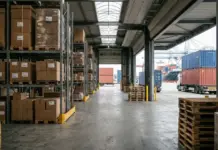
Achieving the right balance also involves exploring new ways to reduce the cost of holding inventory. This includes the use of regional distribution centers to bring products closer to customers, as well as the implementation of more flexible warehousing solutions. Some companies are also utilizing vendor managed inventory programs, where suppliers take responsibility for maintaining stock levels at the customer’s facility. These collaborative arrangements can help to reduce the administrative burden and improve the accuracy of replenishment. Ultimately, the goal is to create a system that provides the necessary level of protection at the lowest possible cost, ensuring that the organization remains competitive while also being prepared for the unexpected.
Utilizing Predictive Analytics for Dynamic Inventory Allocation
The application of predictive analytics has transformed the way organizations manage their inventory levels. By analyzing vast amounts of historical data and real time alerts, these systems can provide more accurate forecasts of demand and lead time variability. This allows for more precise inventory allocation, ensuring that the right products are in the right place at the right time. For companies with complex, global networks, this level of insight is essential for maintaining a competitive lean inventory model while also protecting against the risk of disruptions.
Dynamic allocation involves continuously adjusting stock levels in response to changing market conditions. For instance, if a regional distribution center experiences a sudden spike in demand, the system can automatically reroute shipments from other locations to avoid a stockout. Similarly, if a potential disruption is identified in a specific shipping lane, the artificial intelligence can suggest increasing safety stock in the affected regions. This proactive and automated approach to inventory management reduces the reliance on manual assessments and ensures that the organization can respond quickly to emerging threats.
The effectiveness of these predictive models depends on the integration of data from across the entire network. This includes information from sales, production, logistics, and even external sources such as weather forecasts and news alerts. By creating a unified view of the supply chain, companies can identify hidden patterns and trends that might not be apparent from siloed data. This comprehensive visibility allows for a more holistic approach to inventory optimization, where the focus is on improving the performance of the entire system rather than individual nodes. As technology continues to evolve, the ability to utilize data for dynamic allocation will remain a critical competitive advantage for any organization looking to balance efficiency and resilience.
Strengthening Supplier Collaboration for Responsive Replenishment
Strong partnerships with suppliers are essential for maintaining a stable and responsive replenishment process. In a lean inventory environment, any delay from a supplier can have an immediate impact on production. To mitigate this risk, forward thinking organizations are moving away from purely transactional relationships toward more collaborative models. This involves open communication, shared data, and a mutual commitment to risk management. When both parties are aligned on goals and expectations, they can work together more effectively to solve problems and adapt to changes in the market.
Collaboration often involves the sharing of demand forecasts and production plans with key suppliers. This transparency allows providers to better align their own operations with the needs of their customers, reducing the likelihood of shortages and improving the speed of replenishment. In some cases, companies are even co-locating their production facilities or distribution centers with those of their suppliers to further reduce lead times and improve coordination. These deep integrations create a more seamless and efficient network that is better positioned to handle unexpected shifts in demand or supply.
In addition to operational coordination, organizations are also working with their suppliers to improve their own resilience and stability. This includes providing support for the implementation of new technologies, as well as conducting regular audits to ensure compliance with quality and safety standards. By helping suppliers to build their own buffers and contingency plans, companies can create a more stable and reliable supply base for the entire organization. This mutual support is particularly valuable during periods of high demand or global instability, when the ability to secure capacity and materials is essential for maintaining operational continuity.
Implementing Flexible Production Models to Mitigate Stockout Risks
Flexibility in production is a critical component of any strategy aimed at balancing lean inventory with resilience. If an organization can quickly shift its production from one product to another or from one facility to another, it can reduce its reliance on large physical buffers. This adaptability allows for a more responsive and agile operation that can better handle unexpected changes in demand or supply. Implementing these flexible models often requires significant investment in new technologies, such as modular manufacturing lines and automated assembly systems.
Modular manufacturing involves breaking down the production process into smaller, independent units that can be easily reconfigured to produce different products. This approach allows companies to respond more quickly to changes in customer preferences and reduce the time needed to bring new products to market. It also provides a level of protection against facility specific disruptions, as production can be moved to other locations if one site is forced to close. By creating a more distributed and adaptable production footprint, organizations can reduce their exposure to regional risks and ensure a more stable supply of goods.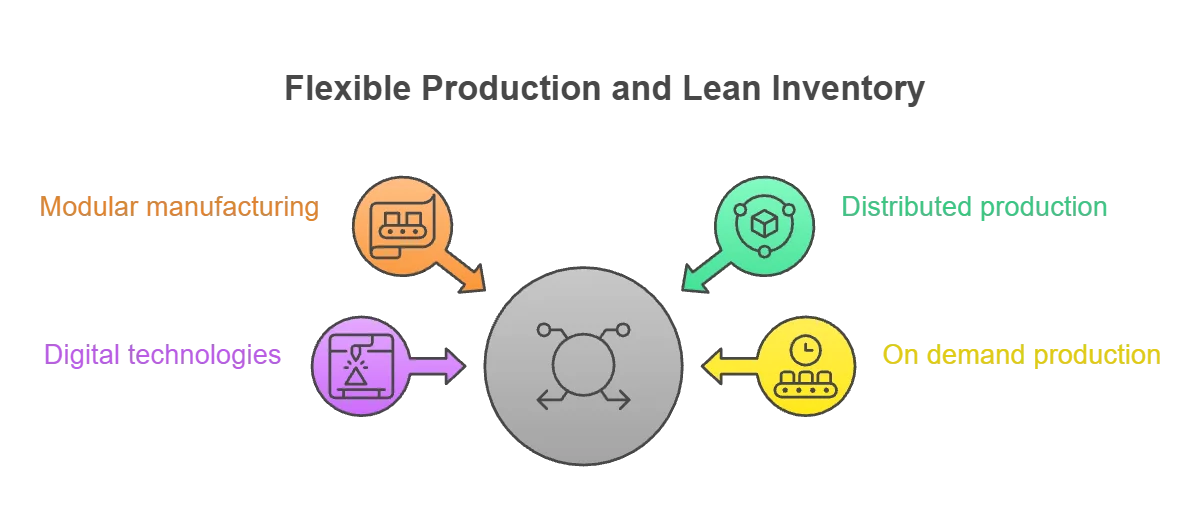 In addition to physical flexibility, the use of digital technologies, such as 3D printing and on demand manufacturing, offers promising avenues for reducing inventory risks. These technologies allow for the production of components and spare parts as they are needed, eliminating the need for large physical stocks. While still in the early stages for many industries, the potential for on demand manufacturing to transform the supply chain is significant. By reducing the reliance on long distance shipping and centralized production, these tools offer a way to maintain a highly lean inventory model without sacrificing operational stability. Ultimately, the goal is to create a system that is as flexible as it is efficient, capable of delivering high value to customers while also being able to withstand the shocks of a volatile global market.
Final Perspective
The challenge of balancing lean inventory with supply chain resilience is a defining issue for modern industrial leaders. By moving beyond a narrow focus on efficiency and embracing a more holistic view of risk, organizations can build networks that are both lean and stable. This requires a combination of advanced technology, strategic buffering, and strong supplier partnerships. As global markets continue to face uncertainty, the ability to maintain operational continuity while also managing costs will remain a critical competitive advantage. Those who can effectively integrate these principles into their core business strategies will be the ones who succeed in the long term.
Adapting to this new reality requires a deep understanding of geopolitical uncertainty and global supply chain diversification to build more stable networks.