






























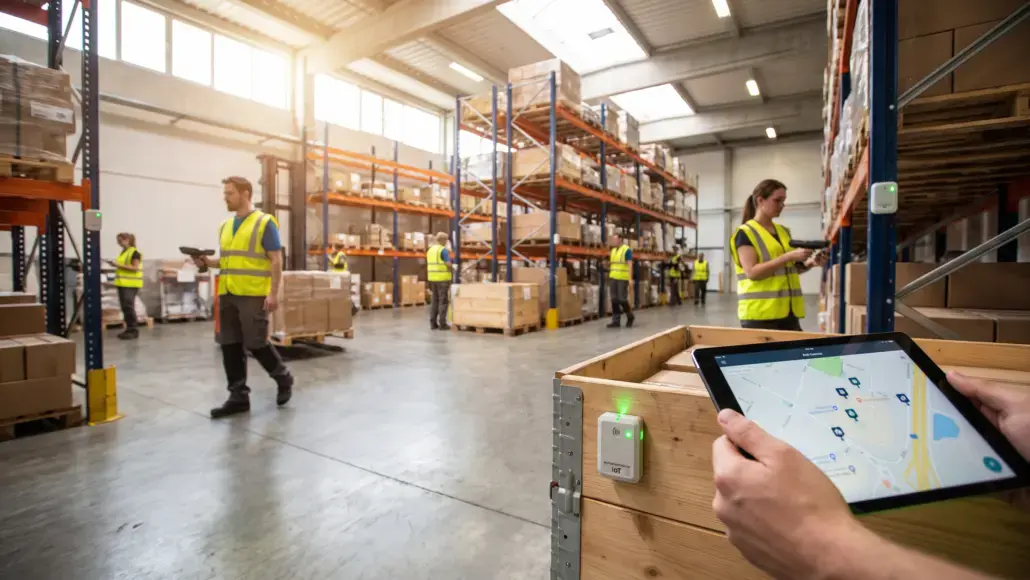
The modern supply chain is a complex web of interconnected movements, where the ability to see and react to changes in real-time is the difference between success and failure. Historically, warehouses have been perceived as “black boxes” in the logistics chain places where inventory enters, stays for a time, and eventually exits, but with limited visibility into what happens inside during that duration. The advent of the Internet of Things (IoT) has effectively illuminated these spaces. By deploying a dense network of IoT Sensors for Warehouse Visibility, companies are now able to track every item, vehicle, and environmental variable with pinpoint accuracy. This shift toward total transparency is not just an operational luxury it is a fundamental requirement for any business aiming to maintain agility in a volatile global market.
Real-time visibility refers to the ability to access current, accurate data about the location and status of inventory and equipment. In a traditional setting, this information was often delayed by manual scanning processes or end-of-day reporting. IoT Sensors for Warehouse Visibility eliminate these delays by providing a continuous stream of data that is updated every second. Whether it is a pallet moving through a loading dock or a forklift navigating a narrow aisle, the system knows exactly where every asset is located. This level of granular detail allows managers to identify bottlenecks as they form, rather than hours after the fact, enabling immediate intervention to keep operations running smoothly.
The Technological Architecture of Sensory Networks
To achieve comprehensive visibility, a warehouse must be equipped with a variety of sensor types, each serving a specific purpose. Radio Frequency Identification (RFID) tags are perhaps the most well-known, allowing for the bulk scanning of items without the need for a direct line of sight. However, the ecosystem of IoT Sensors for Warehouse Visibility extends far beyond simple identification. Bluetooth Low Energy (BLE) beacons provide high-precision indoor positioning, while motion sensors track the utilization of equipment and the movement of personnel. These sensors work in tandem to create a digital map of the physical environment, which is then accessible via centralized dashboards.
The data collected by these sensors is transmitted through wireless gateways to a cloud-based analytics platform. This architecture ensures that information is not just collected but is also processed and presented in a way that is actionable. For instance, if a temperature sensor in a cold storage zone detects a rise above a critical threshold, the system can automatically trigger an alert to the maintenance team and simultaneously log the potential impact on the stored goods. This integration of physical sensing and digital processing is what makes IoT such a powerful tool for modern logistics. By creating a seamless flow of information from the warehouse floor to the management office, businesses can make informed decisions based on reality rather than estimates.
Inventory Tracking and Accuracy Enhancements
One of the most significant benefits of deploying IoT Sensors for Warehouse Visibility is the dramatic improvement in inventory accuracy. Misplaced items and phantom inventory are perennial problems in large-scale operations, often leading to lost sales and wasted labor hours spent searching for missing stock. With IoT-enabled tracking, every item is accounted for at all times. If a pallet is put in the wrong location, the system can immediately notify the operator, preventing the error from becoming a long-term issue. This continuous auditing process reduces the need for disruptive physical cycle counts and ensures that the data in the Warehouse Management System (WMS) matches the physical reality of the floor.
Furthermore, real-time tracking enables more sophisticated inventory strategies, such as First-In, First-Out (FIFO) or Last-In, First-Out (LIFO), with perfect execution. The system can guide pickers to the oldest stock first, reducing the risk of product expiration and spoilage. In industries where shelf life is critical, such as food and pharmaceuticals, this capability is invaluable. By providing a clear view of the inventory’s age and condition, IoT sensors help businesses maintain high quality standards and reduce the financial losses associated with write-offs. The result is a leaner, more efficient operation that delivers exactly what the customer ordered, exactly when they expect it.
Asset Utilization and Predictive Maintenance
Warehouses represent a massive investment in physical assets, from shelving and conveyors to sophisticated picking robots and forklifts. Maximizing the utilization of these assets is key to achieving a high return on investment. IoT Sensors for Warehouse Visibility provide deep insights into how equipment is being used throughout the day. By analyzing movement patterns and idle times, managers can identify underutilized machinery and reallocate it to busier zones. This data-driven approach to asset management ensures that the fleet is always right-sized for the current workload, preventing the unnecessary expense of purchasing or leasing additional equipment.
Beyond utilization, IoT sensors play a critical role in predictive maintenance. By monitoring vibrations, temperature, and power consumption, sensors can detect early signs of wear and tear that might lead to a mechanical failure. Instead of waiting for a machine to break down, maintenance can be performed during scheduled downtime, minimizing the impact on productivity. This proactive approach not only extends the life of the equipment but also enhances safety by preventing accidents caused by equipment malfunction. In a high-stakes environment where every minute of downtime translates to lost revenue, the ability to keep machines running reliably is a major competitive advantage.
Environmental Monitoring for Quality Assurance
Many products require specific environmental conditions to remain viable and safe for consumption. IoT Sensors for Warehouse Visibility are essential for monitoring these conditions in real-time. Sensors can track humidity, light exposure, and air quality in addition to temperature, providing a comprehensive record of the environment in which goods are stored. This is particularly important for high-value or sensitive items like electronics, fine chemicals, or perishables. If an environmental breach occurs, the sensors provide a detailed log that can be used to determine exactly which products were affected, allowing for targeted quality control measures rather than discarding an entire batch.
This level of environmental control also assists in regulatory compliance. Many industries are subject to strict standards regarding the storage and handling of goods. Automated sensor logging provides a transparent, tamper-proof record that can be presented during audits, proving that the warehouse has maintained the required conditions consistently. This reduces the administrative burden of manual logging and provides peace of mind to both the business and its customers. By ensuring that products are stored in optimal conditions, companies can protect their brand reputation and ensure that they are delivering safe, high-quality goods to the market.
Enhancing Supply Chain Visibility Beyond the Four Walls
While the primary focus of these sensors is within the warehouse, the data they generate is a vital component of end-to-end supply chain visibility. When the warehouse operations are transparent, the entire supply chain becomes more predictable. Shipping departments can provide customers with more accurate lead times, and procurement teams can better time their orders based on real-time stock levels. IoT Sensors for Warehouse Visibility act as the connective tissue between the manufacturing plant and the final consumer, ensuring that everyone in the chain has the information they need to perform their roles effectively.
The integration of warehouse data with transportation management systems allows for a more seamless transition from storage to transit. For example, as a shipment is loaded onto a truck, the IoT sensors can automatically update the status of the order and trigger a notification to the carrier and the customer. This automated handoff reduces paperwork and minimizes the potential for human error. In an era where consumers expect constant updates on their deliveries, the ability to provide real-time status changes from the moment an item is picked in the warehouse is a powerful differentiator. The transparency provided by IoT technology builds trust and fosters stronger relationships throughout the supply chain ecosystem.
Security and Risk Management in the Smart Warehouse
Security is a major concern for any facility housing large quantities of valuable inventory. IoT Sensors for Warehouse Visibility contribute significantly to risk management by providing an additional layer of electronic security. Door and window sensors, combined with motion detectors and smart cameras, create a comprehensive security perimeter. Any unauthorized entry or movement after hours can trigger an immediate alert to security personnel or local authorities. Furthermore, the tracking of individual items makes it much harder for internal theft to go unnoticed, as any discrepancy between the recorded location and the actual presence of an item is flagged instantly.
Beyond physical security, IoT sensors help manage operational risks. For example, sensors can detect water leaks or smoke long before they become catastrophic events, allowing for a rapid response that can save millions of dollars in inventory and infrastructure. In the event of an emergency evacuation, the system can use location data from wearable sensors to ensure that every employee has reached safety. By mitigating a wide range of physical and operational risks, IoT technology creates a safer, more secure environment for both assets and people. This comprehensive approach to security is essential for maintaining the long-term viability and profitability of the warehouse operation.
In conclusion, the deployment of IoT Sensors for Warehouse Visibility is a transformative step toward the future of logistics. By providing real-time data on every aspect of the warehouse environment, these sensors enable a level of control and efficiency that was previously impossible. From improving inventory accuracy and asset utilization to ensuring quality and enhancing security, the benefits of IoT are far-reaching. As the technology continues to mature and the cost of sensors decreases, we can expect to see even broader adoption across all sectors of the industry. The warehouses of tomorrow will be fully transparent, data-driven hubs that serve as the reliable backbone of the global economy.