




























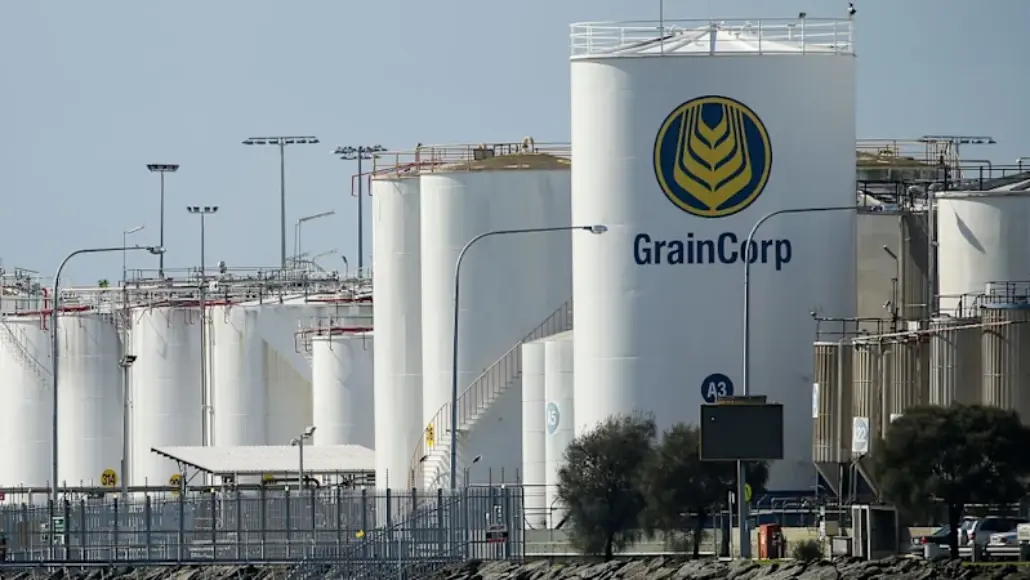
GrainCorp Limited is an Australia-based agribusiness company. It offers grain storage, handling, logistics, and trading as well as processing services. Its operations link farmers to domestic and export customers by means of regional receipt facilities and transport networks along with bulk export terminals. It also processes oilseeds, provides food and animal feed ingredients, and trades in renewable fuel feedstock markets. It remains influenced by seasonal crop conditions, infrastructure utilization, and demand for agricultural commodities.
Integrated Grain Storage & Handling Procedures
- GrainCorp has a well-established network of grain storage and handling facilities throughout Queensland, New South Wales and Victoria.
- The infrastructure would allow farm produce to move from the producing regions to local processors and to foreign export markets.
- The company sorts, grades, stores, and ships crops such as wheat, barley, canola, sorghum, and other agricultural products.
- Producers can bring in harvested commodities to grain receipt sites in the region for quality assessment and storage.
- GrainCorp Limited provides the storage infrastructure, transport standards, and export terminal operations for these activities.
- The volume of commodities going into the network and the operational requirements of individual facilities depend on seasonal crop production.
- Harvest conditions, transport accessibility, and customer demand may also impact grain movements.
Seasonal Crop Intake along with Export Logistics
GrainCorp’s eastern Australian agri-supply chain is a key operational indicator in terms of seasonal grain receivables. The company provides harvest updates and information on grain movements through its network of regional storage facilities. Its bulk export terminals are situated at established port locations such as Kembla, Geelong, Gladstone, Brisbane, Newcastle, and Portland.
These facilities allow for the collection, storage, and loading of agricultural commodities to international customers.
- GrainCorp Limited also provides rail and road transport services to transport grain from regional collection points to standard port locations.
- Transport infrastructure and the accessibility of suitable storage capacity determine operational efficiency during harvest times.
- Strong crop production doesn’t automatically mean more export activity, as domestic demand, global trade conditions as well as customer requirements also influence grain movements.
Risks and Seasonal Variability of Crop Production
- Temperature, rainfall, soil conditions, and other seasonal factors affect agricultural production across eastern Australia.
- Drought, excess rainfall, or severe weather may impact the development of crops and the amount of grain available for handling and storage.
- GrainCorp had previously entered into a Crop Production Contract to manage some of the normal operational exposure to fluctuating harvest conditions.
- The deal involved payments linked to the production of eastern Australian winter crops under certain contract terms.
- The contract, however, has reached its accumulated net payment cap, and there are no further net payments allowed under the arrangement.
- For GrainCorp Limited, managing weather-related exposure therefore remains reliant on operational planning, business diversification, and management of eastern Australian agri-supply chain requirements.
Oilseed and Nutrition Processing Operations
- GrainCorp operates oilseed processing plants in Numurkah, Victoria as well as Pinjarra, Western Australia.
- These facilities convert canola into vegetable oil and protein meal for food manufacturers and animal feed producers.
- The company also has edible oil refining and processing activities in Victoria, including its Footscray operations and associated facilities.
- Its wider nutrition business supplies food ingredients, edible oils, and animal nutrition products to both domestic and international customers.
- GrainCorp Limited integrates the sourcing of agricultural commodities with processing and distribution capabilities to serve a range of end markets.
- However, processing activity remains affected by the availability of oilseeds, manufacturing requirements, customer demand, and commodity market conditions.
Agricultural Energy along with Renewable Fuel Feedstocks
- GrainCorp’s Energy operations participate in renewable fuel supply chains.
- The company sources, collects, and distributes products such as used cooking oil, tallow, and vegetable oils.
- Its AUSCOL business gathers used cooking oil from commercial food preparation processes to be refined and reused.
- These materials can be used as feedstocks for renewable diesel, sustainable aviation fuel, and other industrial uses.
- GrainCorp Limited has the logistics and distribution capabilities to move these products into domestic and international markets.
- The company also carries out relevant traceability and sustainability certification processes to meet customer needs.
- However, the demand for renewable fuels is driven by government policies, customer requirements, feedstock supply, and international energy market circumstances.
Quality Control and Supply Chain Management
GrainCorp has testing and quality assurance procedures in place for all of its grain handling and export operations. Its laboratory offers grain classification, quality evaluation, and customer specifications management. Quality management systems assist in the identification and management of commodities throughout the supply chain.
- The CropConnect platform offers digital services for grain trading and related transactions between growers and buyers.
- These capabilities are complementary to GrainCorp Limited’s physical storage, transportation, and export infrastructure.
- However, good supply chain management still depends on proper sampling procedures, reliability of the infrastructure, and the coordination of agricultural logistics activities.
Operational Risks and Developments in the Prospect
It is well to be noted that we are exposed to operating risks from changes in seasonal conditions, prices of agricultural commodities, and international trading activity. Grain receivals and transportation requirements may be affected by drought, flooding, and other adverse weather events.
Supply chain operations can also be affected by disruptions to infrastructure such as rail networks, roads, or export terminals. Other risks include the need to maintain equipment, the availability of labor, and the possibility of changing environmental regulations and restrictions.
Activities related to renewable fuel feedstocks remain contingent upon changes in sustainability requirements and customer demand.
Future updates will include seasonal harvest updates, infrastructure management, processing activities, and opportunities across agriculture and energy markets.
Key Findings
GrainCorp Limited operates grain handling and export logistics, oilseed processing, food ingredients, and renewable fuel feedstock operations.
Its established infrastructure brings together Australian agricultural producers with domestic processors as well as international customers.
Future operational performance will be dependent on seasonal crop production, efficiency when it comes to logistics, and demand for commodities, as well as management of processing and export activities.
In eastern Australia, GrainCorp has regional grain receipt and storage facilities and transport networks along with bulk export terminals, which make domestic grain movements and international shipments easier.
GrainCorp crushes canola into vegetable oil as well as protein meal, distills edible oils, and handles used cooking oils and various other agricultural products for food and animal nutrition as well as renewable fuel applications.
Major threats involve severe seasonal weather, commodity price swings, delays in transportation, shifts in the international trade environment, and processing costs, as well as fluctuations in demand when it comes to agricultural products.