
















The current crisis in the Gulf is having its effects that go far beyond the Middle East. It is also putting to the test one of the most significant economic relationships of the past ten decade – the growing ties between Gulf states and Africa. The UAE, Saudi Arabia, and to a lesser extent Qatar have gone on to become more important partners when it comes to many African economies. This shift is due to the fact that Africa has become of greater strategic significance to the Gulf, and the Gulf has become more important to Africa.
The war is indeed going to have an immediate effect on African countries, such as price shocks as well as supply chain problems, along with certain connectivity issues. These will not be felt evenly across the continent. However, as time goes on, the crisis is most likely to change the role of Africa in Gulf diversification strategies rather than to end it. As the Gulf states try to depend less on hydrocarbons and build more partnerships with other countries, Africa may as well go on to become more important, but in different ways. Such kind of developments will indeed alter where and how capital flows are used, which sectors are given the priority, and how risk is being handled.
Price and supply shocks
The most immediate effect is on the prices of goods and the supply chains.
It is well to be noted that the trade relationship between Gulf countries and Africa is based on both sides needing each other. Gulf countries send urea, which is a gas-based product, as well as other refined fuels to African markets. This gives people in Africa who don’t have balanced access to energy the inputs they need for transportation, power generation, and agriculture. African countries, on the other hand, send gold, minerals, and agricultural goods to other countries. These include crops that are very important for food security in the Gulf, which obtains over 80% of its food from other countries. Therefore rising prices and problems with the supply chain go on to have effects in both directions. They raise costs for African importers and, at the same time, also lower export revenues that many African raw commodity producers rely on, such as gold. They also make it harder for the Gulf to get food and other raw materials from other countries.
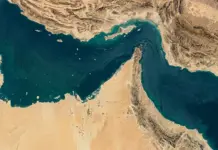
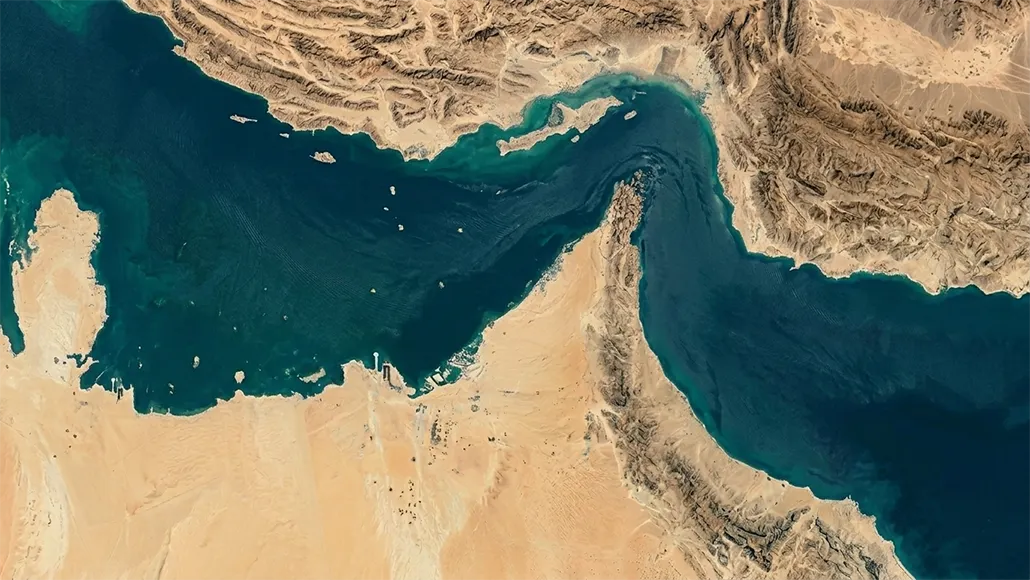
Since the conflict started, the amount of traffic through the Strait of Hormuz has dropped by more than 90%. The corridor is responsible for 25% of the oil trade by sea in the world along with 19% of the world’s LNG flows. This disruption, along with production stoppages at some Gulf oil and gas companies, is making the supply tighter for the world, with prices getting higher. This trend could as well help African oil and gas producers like Nigeria, Angola, and Algeria by bringing in more revenues. But the situation might be harder for most of the continent. Many African economies, including those that make oil and gas, rely heavily on imported refined fuels, such as the ones that come from the Gulf. As oil and gas prices go up, transportation and energy costs will likely surge in no time, which will affect most industries.
The effects extend to fertilizers like urea, which happens to be very dependent on natural gas for its production. Fertilizer supply chains go on to connect the energy markets and agriculture, which, by the way, is the main source of income for many people in Africa. The Strait of Hormuz is where about a third of the seaborne fertilizer trade of the world goes through. Interestingly, about 67% of the trade is urea. When these supply chains break down, it has two effects – higher prices for inputs make it more expensive for farmers, and problems with shipping go on to threaten the timely delivery that agriculture seasons need. After the war between Russia and Ukraine, the same impact was seen. In some African countries, dependence is especially strong. For instance, 54% of the fertilizer imports from Sudan and 26% of Kenya’s transit through Gulf maritime routes.
It is well to be noted that gold adds another layer to it. Exports to the Gulf, especially the UAE, are very important to the economies of many African countries, including Mali, Ghana, and South Africa, as well as Sudan. Most of the imports of the UAE from Africa are gold. Dubai has become a major center for gold refining and trade in the last few years. The crisis might disturb the refining and re-export corridor through the Emirates, which could impact African exporters who rely on those sales and send shockwaves around the world.
Disruptions in connectivity and changes to trade routes
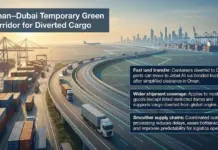
The crisis is making it harder for air and sea traffic to flow smoothly, which is important for the growing economic ties between Africa and the Gulf. This shows how much Africa relies on the transit infrastructure in the Gulf, especially when we talk of the UAE and Qatar.
It is well to be noted that air travel between both regions depends a lot on Gulf transit hubs like Dubai, Abu Dhabi, and Doha that Emirates, Etihad, and Qatar Airways run. There are other options, like flying to African airports like Addis Ababa or Cairo. But these hubs probably cannot handle a lot of diversion on short notice, so substitution is only going to be partial.
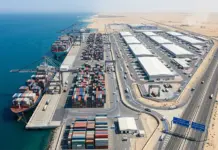
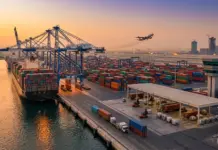
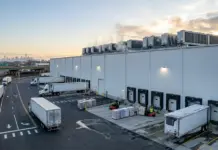
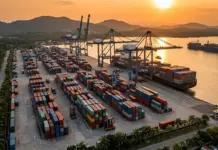
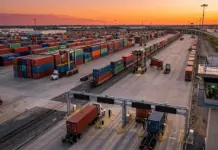
The maritime picture looks more complicated because more than 90% of Africa’s trade moves by sea. Over the last 20 years, the UAE has gone on to create a global logistics strategy based on connecting ships. Emirati companies, especially DP World as well as Abu Dhabi Ports, received concessions or operational roles in ports all over Africa, right from Senegal to Somaliland and from Mozambique to Angola. These investments are part of a bigger plan so as to connect the trade routes in Asia, Europe, and the Atlantic by way of the integrated logistics networks.
The current crisis in the Gulf may speed up a trend that started in 2024, when Houthi attacks on ships in the Red Sea forced them to take the much longer Cape of Good Hope route rather than the shorter one. When the Houthi attacks were at their worst in 2024, the number of containers passing through the Suez Canal dropped by almost 50–60%. At the same time, the number of ships passing via the Cape route increased by the same percentage. But the possible benefits shouldn’t be overstated. The Jebel Ali port in Dubai is still the main hub for the UAE’s logistics system. It is where goods are re-exported and moved between different parts of the world. Some of the best African ports, such as Tanger in Morocco as well as Dakar in Senegal, may be able to handle more traffic, however, many others along the Cape Route, like Mombasa and Durban, can’t, even though they happen to be East Africa’s main hub and sub-Saharan Africa’s largest container gateway.
Due to the capacity limits, operational bottlenecks, as well as poor connections to the hinterland, more traffic is just as likely to cause congestion and strain as it is to bring in more revenue.
Capital allocation and where to invest
Investment flows are another effect that develops slowly but could be important. In the past ten years, Gulf sovereign wealth funds and state-owned companies, as well as government-backed investment vehicles, have gone on to become major investors in African economies, especially when it comes to infrastructure, logistics, energy, and mining. Gulf investors have put around 22% of all new foreign direct investment – FDI into Africa in the 2020s. That’s twice as much as in the 2010s. Official sources say that the UAE went on to put more than $110 billion into Africa between 2019 and 2023.
If tensions in the region stay high and the economy becomes more unstable, Gulf governments may as well feel pressure to put more money into their economies, keep their budgets balanced, and also spend more on defense. This doesn’t mean that Gulf capital will just disappear. These states still have some of the most sovereign wealth in the world. But crises often alter how money is used.
In practicality, such a shift could make it harder to invest in long-term or high-risk investments abroad. Some long-term investment projects in Africa, like big real estate developments, may as well move more slowly. On the other hand, investments that are related to core strategic priorities are more likely to stay safe. These include supply chains for food that are important for food security, logistics infrastructure like ports and shipping corridors, and investments in gold, minerals, and energy.
Africa as a strategic backup
In the long run, continued instability in the Gulf may make Africa even more important to Gulf states. Gulf involvement in Africa has been motivated by structural factors, such as diversifying supply chains, ensuring access to food as well as mineral resources, expanding logistics networks, and strengthening the geopolitical partnerships.
It’s not just about financial gain when it comes to protecting these interests. In practice, it can lead to tougher security and defense measures, as seen in the Horn of Africa. There, the UAE, Saudi Arabia, and Qatar have long had an influence mix of port concerssions, letting them base their military there, and supporting their political rivals. This was done to stop Iran from spreading its influence around the Red Sea, protect ports as well as trade routes, and defend investments in land, gold, and maritime infrastructure. Sudan and Somalia are the best examples of how business and strategic interests can lead to direct geopolitical competition.
The current crisis in the Gulf could cause some countries in the region to pull back on their military plans. For example, the UAE might have to rethink some of its controversial alliances in the region, such as in Sudan. But the reasons why Gulf countries are interested in Africa – lessening their reliance on oil and gas, diversifying their partnerships, and securing their supply chains don’t change when the region is unstable. If anything, it makes it much sharper. For the UAE, which is less dependent on oil and gas than Saudi Arabia or Qatar and more dependent on trade, logistics, and external business networks, making logistics, investment, and security networks safer and expanding them across Africa could help navigate parts of its commercial system outside the Gulf region itself, thereby making it less vulnerable to regional chokepoints.
Long-lasting instability in the Gulf, or even the belief that similar crises could happen again, could also lead to more use of risk-sharing tools and strategic partnerships in foreign investment. One possible result is more cooperation with outside groups, like European institutions. European development finance institutions, export credit agencies, and multilateral lenders have a lot of experience with project de-risking and blended finance, as well as regulatory frameworks. They are already working with people from the Gulf and Africa. To make this kind of cooperation work, Africa needs to build stronger production networks in the region. This will make African workers more productive and give foreign investors a bigger market to work in. This would also make the system of supply chains more geographically diverse, which would make Africa less likely to be hit by shocks from outside the continent.
The crisis could actually strengthen Gulf ties with Africa instead of weakening them. This would show that Africa is not just a remote area but a key part of the global supply chains that are growing more fragile.