


















Changes in geopolitics, economic priorities, and technology are all having a major impact on the global transport and logistics system. One is looking at old trade routes again, and new ones are opening up to make things run more smoothly, lower risk, and give more options in supply chains.
This transition is indeed part of a larger effort by businesses and governments so as to deal with problems caused due to wars, sanctions, and changes in the market. The goal is to build logistics networks that are more flexible and can handle shocks from outside sources.
Why are the routes for global logistics changing now?
It is well to be noted that there are a number of things that are causing these changes. Geopolitical tensions, such as trade disputes and wars, have shown weaknesses within the current routes. Companies have also had to look for other ways due to sanctions and restrictions.
Also, the fact that supply chains have been disrupted in the past few years has made businesses to diversify. The fact is that they don’t want to depend on just one route or area anymore.
Another factor is economic competition, as countries build up their infrastructure to make themselves important transit hubs.
What are the primary new transport routes?
The Middle Corridor, also called the Trans Caspian International Transport Corridor, is one of the most talked-about new corridors. This road goes from China to Europe via Central Asia, the Caspian Sea, as well as the South Caucasus.
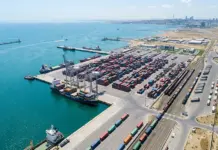
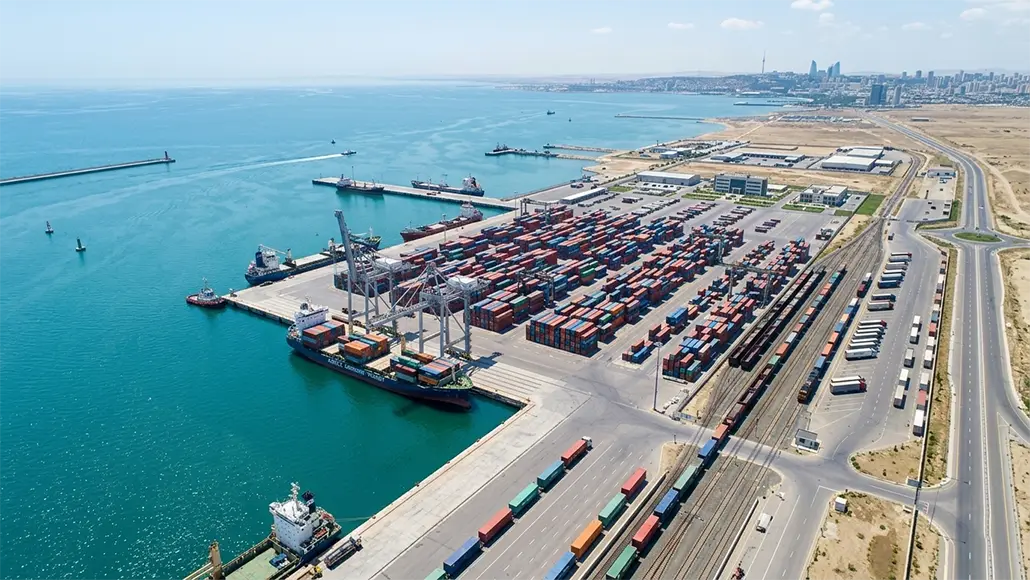
Azerbaijan is very important to this corridor because it connects the East and the West. The Port of Baku and the Baku–Tbilisi–Kars railway are examples of infrastructure that enhances connectivity.
Other corridors, like the North South routes that connect Russia, Iran, and India, are also becoming increasingly significant.
How have logistics routes been affected by geopolitics?
Geopolitics has become a big part of planning logistics. Political tensions and conflicts can make traditional routes less reliable or more expensive.
For instance, limits on some transit corridors have made people more interested in other routes which avoid high-risk areas. Countries are using infrastructure projects to gain power and improve their strategic positions.
This has made the global logistics system fragmented and also more varied.
What part does Azerbaijan play in new logistics networks?
Due to its strategic location, Azerbaijan has become an important transit hub in Eurasia. It is located between Asia and Europe, which goes on to make it easier for goods to move between different modes of transportation like rail, road, and sea.
Azerbaijan’s role in connecting people in the region has grown thanks to projects like the Port of Baku as well as the Baku Tbilisi Kars railway. The country is also working on initiatives in order to make logistics more efficient and useful.
Azerbaijan can benefit commercially this way and help keep trade routes stable in the region.
What effects do new technologies have on logistics?
It is well to be noted that technology is changing logistics by making it more efficient, clear, and coordinated. Digital platforms, real-time tracking, and also data analytics are making it easier so as to manage supply chains.
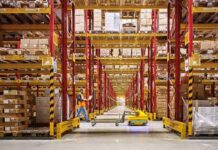
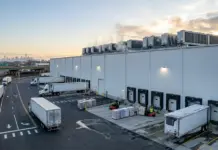
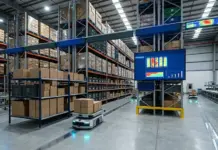
In addition to this, automation in ports and warehouses is speeding things up and cutting costs. Blockchain along with other new technologies are being looked into so as to improve security and traceability.
These improvements are helping to find the best routes and cut down on delays, which makes logistics systems much stronger.
What problems do new logistics routes have to deal with?
There are both opportunities and problems with new routes. They may not work as well due to gaps in infrastructure, differences in regulations, and also political risks.
It’s important for countries to work together, however, different priorities and standards can make it challenging. Investment needs are also big, and they demand a long-term commitment.
Also, competition between routes can cause fragmentation instead of integration.
How do changes in logistics affect trade around the world?
Changes in logistics routes have a direct effect on how trade works around the world. They have an effect on shipping times, costs, as well as dependability.
More efficient routes can help trade by making it easier to get to markets and also lowering barriers. On the other hand, problems or inefficiencies can make trade harder and also more expensive.
So, the growth and development of logistics networks is directly related to the growth and development of the economy.
What part does shipping play in this change?
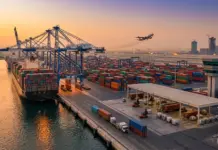
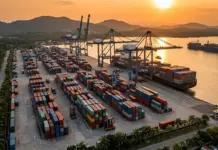
Maritime transport is still an essential component of global trade, moving most of the goods that cross borders. But its role is changing as other routes along with multimodal transport systems become more important.
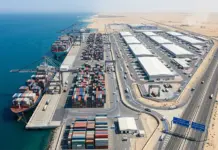
Ports are being improved to handle more traffic and connect with rail and road networks. This goes on to make logistics systems more flexible and efficient.
Regardless of these changes, maritime routes are still very important for long-distance trade.
How are countries competing so as to become transit hubs?
Countries are spending a lot of money on infrastructure as well as policy changes so as to get more transit traffic. This means building ports, railroads, as well as logistics hubs.
Businesses are also attracted by incentives like lower tariffs and easier customs procedures. Strategic partnerships and agreements between regions go on to make them even more competitive.
This competition is changing the way logistics works around the world, with new hubs popping up next to old ones.
What effect will changing routes have on the environment?
Changing the routes for logistics can also have an effect on the environment. By making things more efficient and shortening distances, new routes and technologies can cut down on emissions.
But more building of infrastructure and transportation can also hurt the environment.
Policymakers need to think about how to balance economic benefits with environmental sustainability.
What kind of elements could change the future of logistics?
There are a number of possible scenarios. Geopolitical tensions that don’t go away could speed up the diversification and the development of new routes.
Technological progress could make systems work together better and more efficiently. On the other hand, slowdowns in the economy could lower the transportation demand and push back investments.
How these things work together is going to determine the future of logistics.
Why is this change important around the world?
Reshaping the routes for transportation and logistics is a big change that has an impact on trade, economic growth, as well as geopolitics around the world.
For the global economy to work, logistics systems need to be both efficient as well as strong. Changes in these systems can be favorable or adverse for businesses and countries.
To get around the changing world, one needs to know about these trends.
The fact is that there is a lot of change going on in global transport and logistics system right now. This change is changing the way goods move around the world because of political, economic, and technological reasons.
There are still problems to solve, however, the creation of new routes and systems can make things even more resilient and efficient. The outcomes of this change will affect how trade along with connectivity work around the world in the times to come.