


























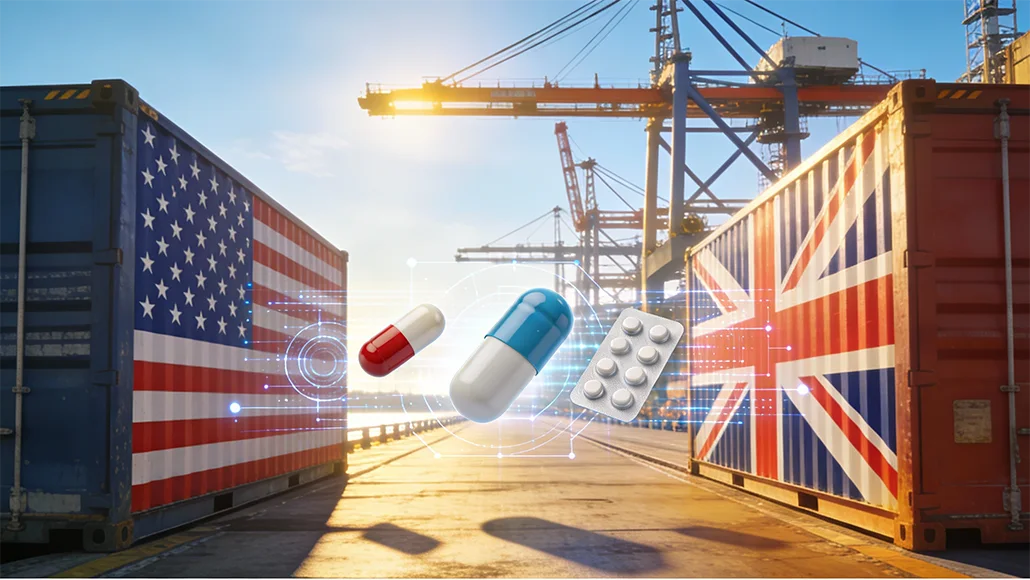
In a latest development, the U.S. has gone ahead and removed Section 232 tariffs on pharmaceutical goods from the U.K., as per a December 01, 2025, press release coming from the White House.
Apparently, the proposed deal goes on to include U.K.-based pharmaceuticals and pharmaceutical ingredients as well as medical technology. Moreover, the U.S. is not going to target the U.K. pricing practices in any of the future Section 301 investigations during the span of President Donald Trump’s tenure as president.
This tariff exemption is in exchange for an agreement pertaining to pharmaceutical pricing between the U.S. as well as the U.K., as per the release. As per the framework agreement, the U.K. is going to reverse the declining National Health Service expenses on medicines and also raise the net price it goes on to pay for new medicines by 25%. Besides this, the U.K. will make sure that higher prices when it comes to new medicines are not getting affected due to a demand pertaining to portfolio-wide concessions as per the Voluntary Scheme for Branded Medicines Pricing, Access and Growth, or any sort of other rebate schemes.
The latest announcement of no tariffs on the pharmaceutical goods from the U.K. is indeed a part of the U.S.-UK Economic Prosperity Deal outline that was announced in May 2025, which targeted the tariffs as well as market access and also went on to include proposals related to the pharmaceutical industry. If the pact gets finalized, the Trump administration would as well go ahead and keep its 10% tariff on the U.K. imports. In return, the U.K. would then cut tariffs on U.S. goods to 1.8% from 5.1%.
Notably, President Trump continues to aim at pharmaceutical imports as part of the sector-specific tariff strategy that he has, with the Commerce Department commencing a Section 232 investigation within the pharma sector in April 2025. In August 2025, Trump said tariffs could at the end even reach as much as 250%.
Trump, later in September 2025, went on to announce plans to execute a 100% sector-specific tariff when it comes to patented or branded pharma products. In September itself, the U.S. began a Section 232 probe within healthcare products such as surgical masks, pacemakers as well as syringes.