

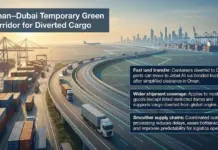

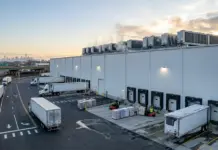
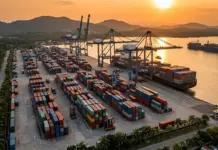
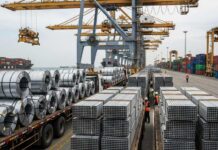
















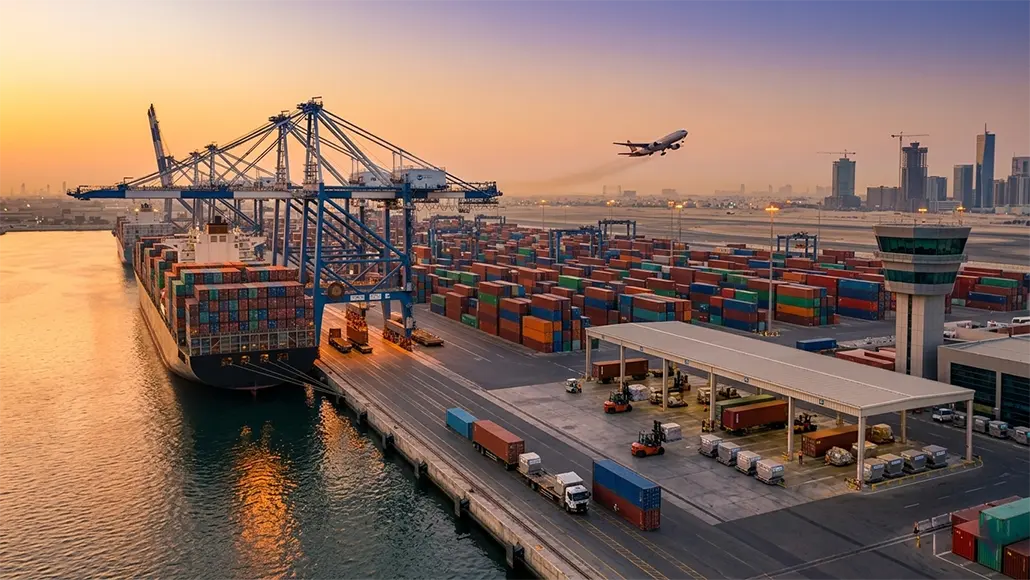
Dubai and Oman have gone ahead and opened a green corridor for air and sea freight. The initiative could as well change the way logistics are moved around the Gulf, making trade between Asia and the Middle East, as well as Africa, faster, easier, and more efficient. It is well to be noted that the corridor is indeed a big step toward integrated intermodal solutions at a time when global supply chains face immense stress and speed is a competitive advantage. The project does more than just improve logistics – what it does is it makes the UAE a central hub for next-generation global trade routes, linking continents with never-before-seen efficiency.
What is the Green Corridor between Dubai and Oman?
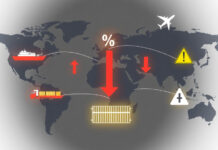
The Green Corridor is a special logistics route that connects Dubai and Oman by way of sea and air freight networks. It makes it easy for cargo to move between ports and airports, cutting down on delays as well as processing times. This means that cargo coming in by sea, especially from Asia, can be quickly changed to air freight and flown to its final destination, preventing common delays. The corridor is meant to cut down on the time it takes for cargo to get from one place to another, make customs along with clearance procedures easier, and speed up the process in terms of sending goods back to global markets. This hybrid model, which is also known as air-sea logistics, is becoming more popular throughout the world. However, the partnership of the UAE with Oman makes it the most popular in the Gulf. The timing of this action is also crucial. In the last few years, global supply chains have been disrupted many times, right from shutdowns during the pandemic to shipping routes being affected by geopolitical tensions. Businesses now value agility, portability, and elasticity more than the traditional pure cost logistics model.
The fact is that the Dubai-Oman corridor meets these needs by offering the following services –
- A quicker way to ship things over long distances by sea
- A less expensive choice compared to full air freight
- Making things more reliable in an era of global uncertainty
In short, it finds a balance between speed and cost, and that’s precisely what modern trade needs.
Strategic Trade Benefits of the Dubai-Oman Green Corridor
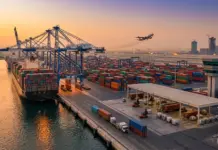
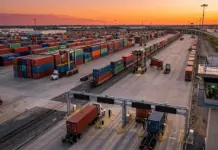
Dubai has for long been known as a global logistics hub, thanks to its world-class infrastructure, which includes Jebel Ali Port as well as Dubai International Airport, two of the busiest hubs in their categories. The UAE is expanding its reach and also building a regional logistics network as opposed to just one hub by connecting with Oman.
The Dubai-Oman Green Corridor helps the global supply chain grow
Oman’s ports are in prime locations along major shipping routes, which gives them more capacity and connectivity. This initiative makes it easier for cargo to move into the UAE’s air cargo system. The two countries are working together to make a system that –
- Take care of heavier cargo
- Cut down on traffic at big ports
- Give people alternative options to get there
This partnership is in line with larger trends in the Gulf region when it comes to integrating trade and infrastructure.
In the Dubai-Oman Green Corridor, speed is the new currency
Time is one of the best things about green corridors. Shipping goods by sea from Asia to Europe can go on to take weeks. Air freight is faster, but it also costs a lot more. Air-sea corridor happens to be a mix of both that cuts down on transit times while at the same time keeping costs under control. This could change the game for businesses where timing is very significant, like for e-commerce, electronics, pharmaceuticals, and perishable goods.
The fact is that faster delivery times mean –
- Lower the cost of inventory
- More satisfied clients
- Get ahead of the competition on the global stage
Apparently, logistics speed is now a key factor in today’s economy, where customers expect things to be delivered almost right away.
Will the green corridor between Dubai and Oman help small and medium-sized businesses along with e-commerce?
This air-sea corridor is going to have ripple effects that go beyond big businesses. Small and medium-sized businesses – SMEs and online stores will both benefit from shipping options that are faster and more reliable. As more people shop online from other countries, the need for effective logistics solutions has grown.
Businesses can do the following with green corridors –
- Get to customers in other countries faster
- Take better care of inventory
- Compete with bigger companies
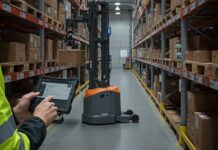
This is indeed a very important step for Dubai, which is quickly becoming a center for e-commerce in the region. Another important thing about the corridor is that it focuses on making processes more efficient. Traditionally, moving things between sea and air has meant going through a lot of checkpoints, filling out paperwork, as well as waiting. Green Corridors look to get rid of these problems by –
- System for pre-clearance
- Documents that have been digitized
- Collaborate on customs processes
This not only speeds up the move, but at the same time, it also lowers the chance of mistakes and delays. This level of efficiency can have a big effect on the economy in an industry where time is money.
Why is the space between Dubai and Oman called the green corridor?
The term green corridor means more than just speed – it also means an emphasis on sustainability and efficiency. Corridors can help through making routes better and cutting down on idle time by way of –
- Cutting down on gas use
- Cutting down on carbon emissions
- Making the environment better overall
As businesses around the world make sustainability a top priority, logistics solutions that go on to find a balance between speed and environmental stability are becoming increasingly vital. In a world that is changing quickly, the initiative is indeed a forward-thinking way to handle logistics. The UAE’s and Oman’s cooperation demonstrates the way the economies in the Gulf are becoming more connected, which strengthens ties between the countries within the region. This is not just a local story, but the corridor affects supply chains across the world. Digitalization and mixed logistics models, as well as sustainability, are all important trends in the industry. The opening of the Green Corridor is part of a bigger change in how goods get moved around the world. Dynamic, multi-modal networks that put speed and flexibility first are taking the place of traditional, linear, slow, as well as rigid, supply chains.
In this new world, being in the right place is less important than being connected, and being effective is everything. Dubai’s most recent action demonstrates that the Gulf region is not just going ahead and adapting to these shifts but also actively shaping them. Apparently, the Dubai-Oman Green Corridor is more than just a logistics project – it’s a big step forward in connecting global trade. It makes it easier to move cargo quickly, connect sea and air travel, and also work together more effectively in the region. As the world revisits supply chains, this corridor gives us a look at a future where goods move faster, smarter, and more efficiently. As businesses try to keep up with rising demand and changing global conditions, the fastest routes are going to shape the future of trade, and Dubai will make sure it stays at the forefront of trade.