

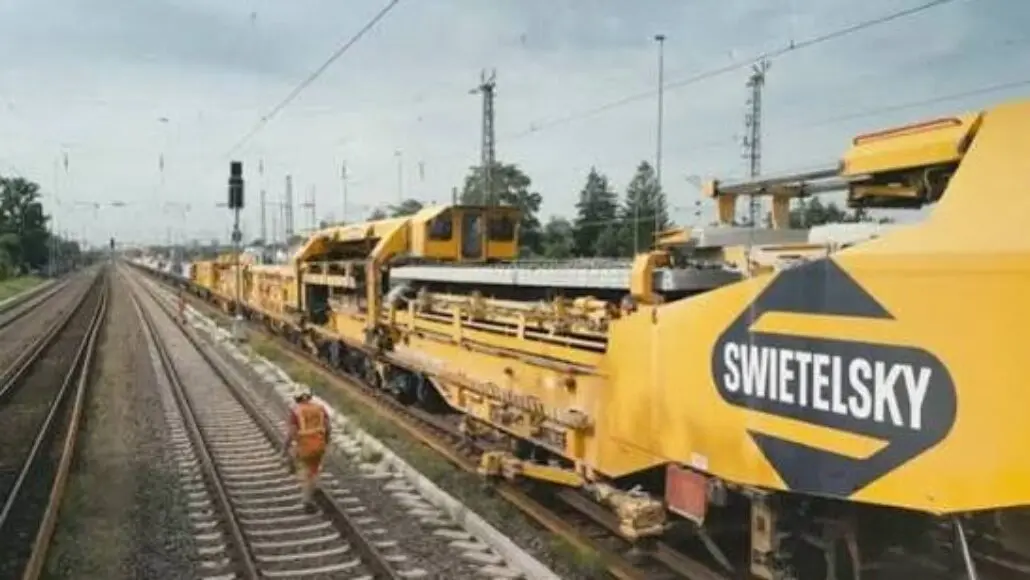
Swietelsky, the Austrian rail construction company, purchased VIKING-Rail, the Danish freight operator, which has over 20 years of experience when it comes to freight and specialist rail transport, offering the group immediate access to an established carrier that can transport locomotives, rail vehicles as well as construction materials.
It is a vertical integration action. Swietelsky constructs and operates a track. Now it has not acquired a goods operator in Denmark. Owning VIKING- Rail also allows the group to haul its own construction materials and rolling stock, as opposed to relying on third-party haulers. The change removes one link of the supply chain for projects throughout Scandinavia.
What changes with the acquisition for Swietelsky?
The response is geography and current contracts. Swietelsky is already active in Denmark, Sweden as well as Norway. In Denmark, for example, it has contracts to tamp tracks nationwide for Banedanmark, which is the national infrastructure manager, and it is to renovate the Skjern–Holstebro railway, which is due in 2025. That work is sitting right next to a captive freight operator with its own fleet of locomotives and workshop.
The workshop is probably the most important strategic asset. VIKING-Rail, the Danish freight operator is based in Padborg close to the border with Germany, where it maintains, overhauls, and modifies locomotives and wagons. It offers Entity in Charge of Maintenance – ECM services – the legally established EU function of the party in charge of keeping a vehicle in a secure operational condition – and has expertise in the installation of ETCS – the European Train Control System, the continent-wide signaling standard on-board machinery in current rolling stock.
The ability to retrofit ETCS is of highest priority in Denmark. Bannedmark has managed one of the most comprehensive signalling renewal programmes in Europe, and rolling stock must be equipped with onboard equipment to operate on the upgraded network. For many operators, there is a roadblock with the migration deadlines approaching and a workshop that is able to set up ETCS on existing vehicles.
VIKING-Rail used to be called CFL Cargo Danmark and is part of the state rail freight group in Luxembourg. In January 2023, it became a privately owned company from Denmark. For the next two-year period it operated independently, during which time the operator grew its traction fleet.
In September 2024 the operator secured a lease on two electric Alstom Traxx locomotives from leasing company Beacon Rail, introducing electric traction to add to its existing fleet of seven Nohab diesel locomotives utilized for freight and specialist transport tasks. Nohab locomotives, the mid-20th century Swedish-built diesels, are a backbone of Scandinavian heritage and industrial freight transportation, and keeping them operational is specialized work in itself.
The fleet mix is a reflection of the operator’s market: heavy, irregular, and specialist movements, as opposed to high-frequency scheduled intermodal services. That profile fits the needs of a construction group.
Swietelsky has signaled uninterrupted operation. VIKING-Rail will keep up its current transport and maintenance activities according to new ownership, and the company’s existing consumer relations and workshop operations will be maintained.
The previous owners will help with the transition, which is a setup that usually saves institutional expertise, especially the upkeep knowledge associated with older rolling stock, in a shift of control.
No financial terms of the deal have been released, including the acquisition price, staffing levels, or timetable for the transaction. What is defined is the exchange of capability: Swietelsky gets an operator, a border-zone workshop, and ECM/ETCS skills in one transaction.
The acquisition enables Swietelsky to provide integrated packages of track renewal services, tamping, and logistics services to Scandinavian infrastructure customers. This is a combination that is likely to influence its bids for renewals and upkeep frameworks in the region as the investment program of Banedanmark unfolds.